High-intent product comparison
8 min read
Beef Tallow vs Body Butter Moisturizer for Dry Skin
This is a skin-care comparison, not a cooking-fat comparison. Beef tallow creams and body butter moisturizers can both help dry skin, but they wear differently enough that the better choice depends on where you apply it, how much rub-in you tolerate, and whether you need all-day comfort or overnight spot support.
Compare beef tallow vs body butter moisturizer for dry skin, including texture, spread, residue, rough-patch use, and day-to-night routine fit.
Quick summary
- This is a skin-care comparison, not a cooking-fat comparison. Beef tallow creams and body butter moisturizers can both help dry skin, but they wear differently enough that the better choice depends on where you apply it, how much rub-in you tolerate, and whether you need all-day comfort or overnight spot support.
- Quick answer: tallow cream vs body butter moisturizer: Choose beef tallow cream when you want a rich moisturizer that melts down quickly, spreads in a thin layer, and is easy to use on cheeks, hands, arms, legs, or other dry zones without a long rub-in step. Choose body butter when you like a denser, more cushiony feel and mostly need richer spot comfort on areas such as elbows, knees, shins, heels, or very dry patches under pajamas. Neither format is automatically better for everyone. The practical winner is the one you can apply consistently without feeling sticky, waxy, or tempted to skip it.
- Texture, spread, and residue differences: Body butter moisturizers often lean on thick plant butters such as shea, cocoa, or mango butter, sometimes blended with oils and waxes. That can feel plush and protective, but it can also drag if you try to spread it quickly across a large area. Whipped tallow cream usually warms faster between the fingers and can be pressed into damp skin in a thinner layer. If your dry-skin routine fails because products feel too heavy under clothes, start with the format that lets you use less product while still feeling moisturized. If your routine fails because lighter products disappear too fast on rough patches, a body butter or balm-like layer may feel more satisfying.
Why people choose this approach
- Choose beef tallow cream when you want a rich moisturizer that melts down quickly, spreads in a thin layer, and is easy to use on cheeks, hands, arms, legs, or other dry zones without a long rub-in step. Choose body butter when you like a denser, more cushiony feel and mostly need richer spot comfort on areas such as elbows, knees, shins, heels, or very dry patches under pajamas. Neither format is automatically better for everyone. The practical winner is the one you can apply consistently without feeling sticky, waxy, or tempted to skip it.
- Body butter moisturizers often lean on thick plant butters such as shea, cocoa, or mango butter, sometimes blended with oils and waxes. That can feel plush and protective, but it can also drag if you try to spread it quickly across a large area. Whipped tallow cream usually warms faster between the fingers and can be pressed into damp skin in a thinner layer. If your dry-skin routine fails because products feel too heavy under clothes, start with the format that lets you use less product while still feeling moisturized. If your routine fails because lighter products disappear too fast on rough patches, a body butter or balm-like layer may feel more satisfying.
Keep in mind
- Patch test first and increase use gradually based on comfort.
- Skincare supports moisture and comfort but is not a cure for medical conditions.
- If symptoms persist, worsen, or become painful, consult a licensed clinician.
Quick comparison
| Feature | Whipped Tallow Cream | Beef Tallow Balm |
|---|---|---|
| Best use case | Daily face/body moisture with lighter spread | Targeted dry patches and high-friction zones |
| Typical routine timing | Morning + daytime maintenance | Night routine + targeted application |
| Texture feel | Lighter and easier to spread | Dense and more sealing |
Routine steps
Daytime vs overnight routine choice
Daytime dry-skin care usually rewards thin, repeatable layers. Apply tallow cream after washing or showering while skin is slightly damp, then wait a few minutes before clothing if the area will be covered by sleeves, socks, or leggings. Overnight care can tolerate more richness. That is where body butter, tallow balm, or a second small layer on elbows and knees can make sense. Avoid judging either product from one over-applied test. A pea-size amount spread well often tells you more than a thick layer that leaves fabric greasy and makes both options seem worse than they are.
How to run a fair two-week comparison
Test one format on the same body zones for at least a week before switching. Track three practical signals: how tight skin feels three hours later, whether flakes or roughness return by the next morning, and whether the texture makes you avoid reapplying. If you compare both at once, use mirrored areas such as left and right elbows or left and right shins instead of changing your entire routine. Stop testing on any area that becomes itchy, hot, rashy, or breakout-prone. Dry-skin comfort matters, but irritation is a better signal than brand preference.
Quick answer: tallow cream vs body butter moisturizer
Choose beef tallow cream when you want a rich moisturizer that melts down quickly, spreads in a thin layer, and is easy to use on cheeks, hands, arms, legs, or other dry zones without a long rub-in step. Choose body butter when you like a denser, more cushiony feel and mostly need richer spot comfort on areas such as elbows, knees, shins, heels, or very dry patches under pajamas. Neither format is automatically better for everyone. The practical winner is the one you can apply consistently without feeling sticky, waxy, or tempted to skip it.
Texture, spread, and residue differences
Body butter moisturizers often lean on thick plant butters such as shea, cocoa, or mango butter, sometimes blended with oils and waxes. That can feel plush and protective, but it can also drag if you try to spread it quickly across a large area. Whipped tallow cream usually warms faster between the fingers and can be pressed into damp skin in a thinner layer. If your dry-skin routine fails because products feel too heavy under clothes, start with the format that lets you use less product while still feeling moisturized. If your routine fails because lighter products disappear too fast on rough patches, a body butter or balm-like layer may feel more satisfying.
Face, hands, body, and rough-patch fit
For facial dryness, a very small amount of whipped tallow cream is usually easier to test than a dense body butter because it can be sheered out around dry cheeks, the mouth area, or wind-exposed patches. For hands, either can work, but tallow cream tends to be easier during the day while a thicker body butter may make more sense at bedtime. For legs and arms, spreadability matters because most people will not keep using a moisturizer that takes too long to rub in. For elbows, knees, heels, and other rough patches, a denser body butter can be useful if you like a noticeable layer, while tallow balm may be the better match when you want stronger spot staying power without turning the whole routine into a heavy coating.
Daytime vs overnight routine choice
Daytime dry-skin care usually rewards thin, repeatable layers. Apply tallow cream after washing or showering while skin is slightly damp, then wait a few minutes before clothing if the area will be covered by sleeves, socks, or leggings. Overnight care can tolerate more richness. That is where body butter, tallow balm, or a second small layer on elbows and knees can make sense. Avoid judging either product from one over-applied test. A pea-size amount spread well often tells you more than a thick layer that leaves fabric greasy and makes both options seem worse than they are.
How to run a fair two-week comparison
Test one format on the same body zones for at least a week before switching. Track three practical signals: how tight skin feels three hours later, whether flakes or roughness return by the next morning, and whether the texture makes you avoid reapplying. If you compare both at once, use mirrored areas such as left and right elbows or left and right shins instead of changing your entire routine. Stop testing on any area that becomes itchy, hot, rashy, or breakout-prone. Dry-skin comfort matters, but irritation is a better signal than brand preference.
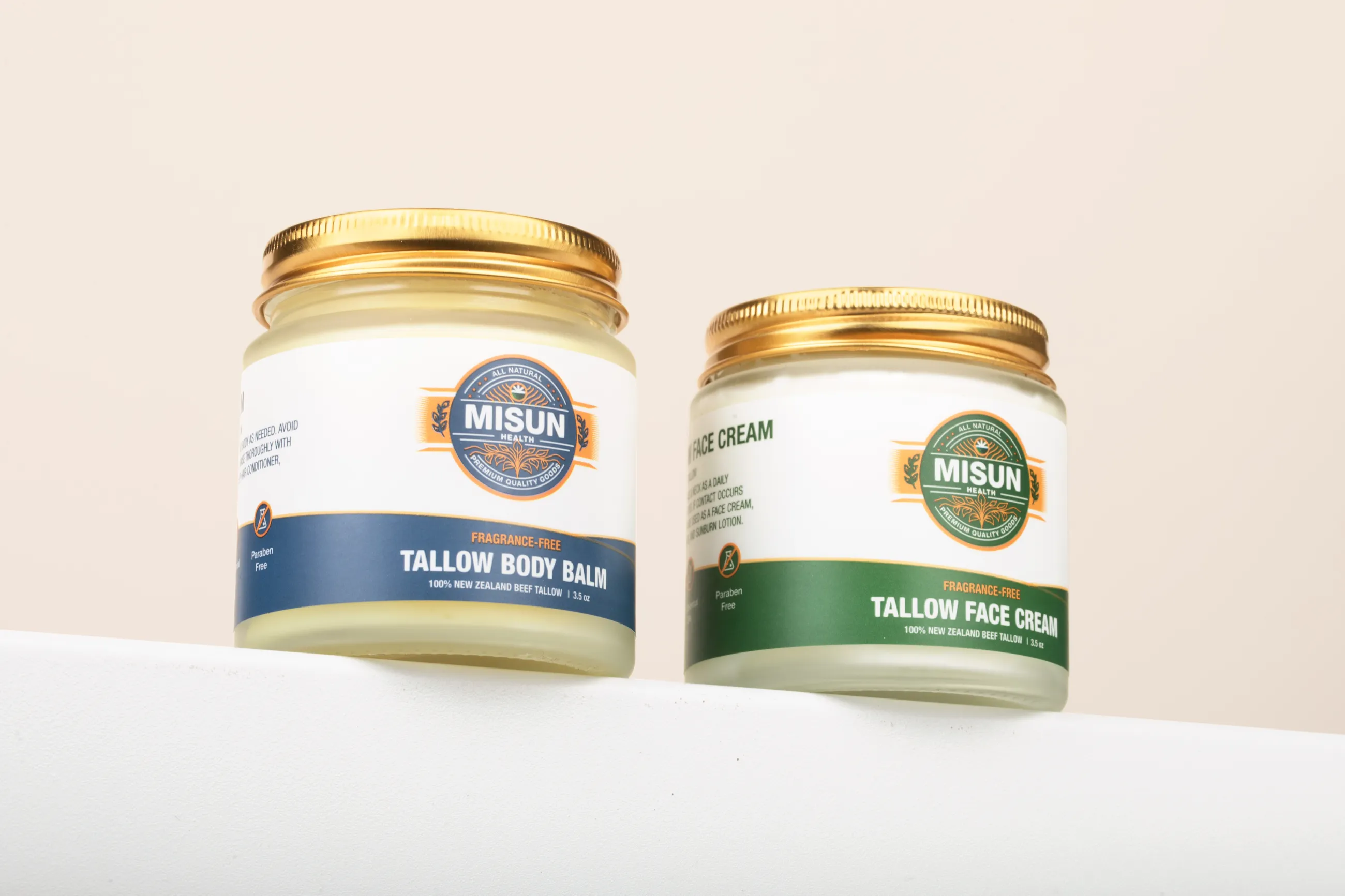 Misun Health
Common Questions
Is beef tallow better than body butter moisturizer for dry skin?
Not for everyone. Beef tallow is often easier to spread in a thin everyday layer, while body butter can feel richer and more cushiony on small rough patches. Your skin zone, climate, and residue tolerance matter more than declaring one format universally better.
Why does body butter sometimes feel too greasy?
Body butters can feel greasy when the layer is too thick, the formula is heavy in slow-melting butters or oils, or the product is applied to fully dry skin. Try using less, applying after damp skin, or reserving dense body butter for nighttime rough patches.
Can I use beef tallow cream and body butter together?
Yes, but keep the routine simple. Use the lighter-spreading product first on slightly damp skin, then add a tiny amount of the richer product only on rough patches that still feel dry. Patch test first if your skin is reactive.
Is this page about body butter for skin, not butter for food?
Yes. This comparison is about body butter moisturizers used for dry skin. It is not advice about cooking with butter, beef tallow, or any food-fat swap.
Build your routine
 Buy on Amazon
 Buy on Amazon
Related guides
More commercial pages
Explore similar commercial concerns or jump to the closest concern hub.
- Can You Bring Beef Tallow on a Plane? Carry-On Packing and Travel Dryness Routine
- Can You Put Beef Tallow on Your Lips? Dry Lips, Chapped Lips, and Lip-Line Flaking
- Unscented Moisturizer for Sensitive Skin: How to Choose a Fragrance-Free Routine That Actually Feels Comfortable
- Beef Tallow vs Lotion for Dry Skin
Related concern pages
Educational content only. This page is not medical advice and is not intended to diagnose, treat, cure, or prevent disease. If symptoms persist or worsen, consult a licensed clinician.