High-intent post-swim recovery routine
8 min read
Beef Tallow for Dry Skin After Swimming
Swimming dryness is usually a stack of chlorine or salt, repeated rinsing, sun, and the hot shower that happens afterward. Beef tallow tends to work best when you rinse first, moisturize while skin is still slightly damp, and use richer spot-sealing only on the zones that keep turning tight again by evening.
Use beef tallow after pool or ocean swimming with a practical rinse-first routine, body-zone guidance, and cream-versus-balm timing for skin that feels tight, chalky, or over-cleansed.
Quick summary
- Swimming dryness is usually a stack of chlorine or salt, repeated rinsing, sun, and the hot shower that happens afterward. Beef tallow tends to work best when you rinse first, moisturize while skin is still slightly damp, and use richer spot-sealing only on the zones that keep turning tight again by evening.
- Why skin can feel chalky, tight, or itchy after swimming: Post-swim dryness is rarely caused by one thing alone. Pool chlorine, salt water, wind, sun, repeated towel-off cycles, and the hot shower that often comes afterward can all leave skin drier than it felt before you got in the water. That is why arms, shins, shoulders, chest, and the backs of hands can feel fine for a few minutes after rinsing off, then suddenly feel papery or itchy once you are dressed. The real routine problem is usually not that you need the heaviest product possible. It is that the recovery layer goes on too late or too thick in the wrong places.
- Pool versus ocean dryness, and why the routine changes a little: Chlorinated pool dryness often feels stripped, squeaky, and rebound-tight, especially if you swim often and shower right away afterward. Ocean dryness can feel more crusty or wind-chapped because salt, sun, and air exposure pile onto each other. In both cases the recovery pattern is similar: rinse off residue first, get moisturizer on while skin is still slightly damp, and focus extra product only where friction or scale keeps showing up. The small difference is that salt-water days often need more attention on lips, shoulders, and shin fronts, while pool weeks often need more consistency after every session because the dryness repeats more often.
Why people choose this approach
- Post-swim dryness is rarely caused by one thing alone. Pool chlorine, salt water, wind, sun, repeated towel-off cycles, and the hot shower that often comes afterward can all leave skin drier than it felt before you got in the water. That is why arms, shins, shoulders, chest, and the backs of hands can feel fine for a few minutes after rinsing off, then suddenly feel papery or itchy once you are dressed. The real routine problem is usually not that you need the heaviest product possible. It is that the recovery layer goes on too late or too thick in the wrong places.
- Chlorinated pool dryness often feels stripped, squeaky, and rebound-tight, especially if you swim often and shower right away afterward. Ocean dryness can feel more crusty or wind-chapped because salt, sun, and air exposure pile onto each other. In both cases the recovery pattern is similar: rinse off residue first, get moisturizer on while skin is still slightly damp, and focus extra product only where friction or scale keeps showing up. The small difference is that salt-water days often need more attention on lips, shoulders, and shin fronts, while pool weeks often need more consistency after every session because the dryness repeats more often.
Keep in mind
- Patch test first and increase use gradually based on comfort.
- Skincare supports moisture and comfort but is not a cure for medical conditions.
- If symptoms persist, worsen, or become painful, consult a licensed clinician.
Routine steps
Why skin can feel chalky, tight, or itchy after swimming
Post-swim dryness is rarely caused by one thing alone. Pool chlorine, salt water, wind, sun, repeated towel-off cycles, and the hot shower that often comes afterward can all leave skin drier than it felt before you got in the water. That is why arms, shins, shoulders, chest, and the backs of hands can feel fine for a few minutes after rinsing off, then suddenly feel papery or itchy once you are dressed. The real routine problem is usually not that you need the heaviest product possible. It is that the recovery layer goes on too late or too thick in the wrong places.
Pool versus ocean dryness, and why the routine changes a little
Chlorinated pool dryness often feels stripped, squeaky, and rebound-tight, especially if you swim often and shower right away afterward. Ocean dryness can feel more crusty or wind-chapped because salt, sun, and air exposure pile onto each other. In both cases the recovery pattern is similar: rinse off residue first, get moisturizer on while skin is still slightly damp, and focus extra product only where friction or scale keeps showing up. The small difference is that salt-water days often need more attention on lips, shoulders, and shin fronts, while pool weeks often need more consistency after every session because the dryness repeats more often.
The best post-swim tallow routine in the first 10 minutes
Start with a quick lukewarm rinse so chlorine, salt, and sunscreen residue are not sitting on the skin under a heavy layer. Pat off just until skin is no longer dripping. Then use a thin layer of whipped tallow cream on the broad zones that feel dry fastest, such as arms, legs, chest, or around the waistline where swimsuits rub. If a few spots are predictably worse, like shin ridges, elbow roughness, ankle lines, knuckles, or the edges of the hands, add a small second pass there instead of coating everything in balm. This usually works better than waiting until skin already feels tight and then trying to rescue it with a thicker layer later.
How to handle frequent swim weeks without overdoing the routine
If you swim several times a week, the goal is consistency more than intensity. Use a light post-swim layer after each session, then save the richer routine for night on the two or three areas that keep drying back out. Keep the shower after swimming shorter and cooler than you think you need, and avoid harsh body wash on every single zone if skin already feels stripped. Many people get better results by staying boring and repeatable than by adding more products. One dependable cream step after every swim usually beats skipping care for three sessions and trying to fix the damage with a giant layer later.
Best body zones to prioritize first after swimming
Not every area needs the same amount of product. Shins, knees, elbows, hands, shoulders, and the upper chest often show post-swim dryness first because they get more sun, water exposure, towel friction, or dry-air contact on the way home. If your face feels tight too, test a very thin amount first rather than copying the body routine exactly. If swimsuit seams, sports-bra edges, or waistbands are rubbing, focus on those friction lines early because they often turn into the spots that feel the driest later in the day. Prioritizing the highest-risk zones first usually gives a better result than using the same layer everywhere.
What results are realistic, and when dryness is more than a routine issue
A good post-swim routine should usually make skin feel less tight the same day and reduce the chalky, over-cleansed feeling by evening. Over the next week or two, the better signs are fewer flaky shin lines, less itch after showering, and less need to keep reapplying everywhere. If skin is burning, getting rashy, staying persistently inflamed, or reacting every time you swim no matter how careful the routine is, stop treating it like ordinary dryness. That is the point to check whether chlorine sensitivity, eczema, irritation from other products, or another skin condition is part of the picture.
Why skin can feel chalky, tight, or itchy after swimming
Post-swim dryness is rarely caused by one thing alone. Pool chlorine, salt water, wind, sun, repeated towel-off cycles, and the hot shower that often comes afterward can all leave skin drier than it felt before you got in the water. That is why arms, shins, shoulders, chest, and the backs of hands can feel fine for a few minutes after rinsing off, then suddenly feel papery or itchy once you are dressed. The real routine problem is usually not that you need the heaviest product possible. It is that the recovery layer goes on too late or too thick in the wrong places.
Pool versus ocean dryness, and why the routine changes a little
Chlorinated pool dryness often feels stripped, squeaky, and rebound-tight, especially if you swim often and shower right away afterward. Ocean dryness can feel more crusty or wind-chapped because salt, sun, and air exposure pile onto each other. In both cases the recovery pattern is similar: rinse off residue first, get moisturizer on while skin is still slightly damp, and focus extra product only where friction or scale keeps showing up. The small difference is that salt-water days often need more attention on lips, shoulders, and shin fronts, while pool weeks often need more consistency after every session because the dryness repeats more often.
The best post-swim tallow routine in the first 10 minutes
Start with a quick lukewarm rinse so chlorine, salt, and sunscreen residue are not sitting on the skin under a heavy layer. Pat off just until skin is no longer dripping. Then use a thin layer of whipped tallow cream on the broad zones that feel dry fastest, such as arms, legs, chest, or around the waistline where swimsuits rub. If a few spots are predictably worse, like shin ridges, elbow roughness, ankle lines, knuckles, or the edges of the hands, add a small second pass there instead of coating everything in balm. This usually works better than waiting until skin already feels tight and then trying to rescue it with a thicker layer later.
When whipped cream is enough, and when balm earns its spot
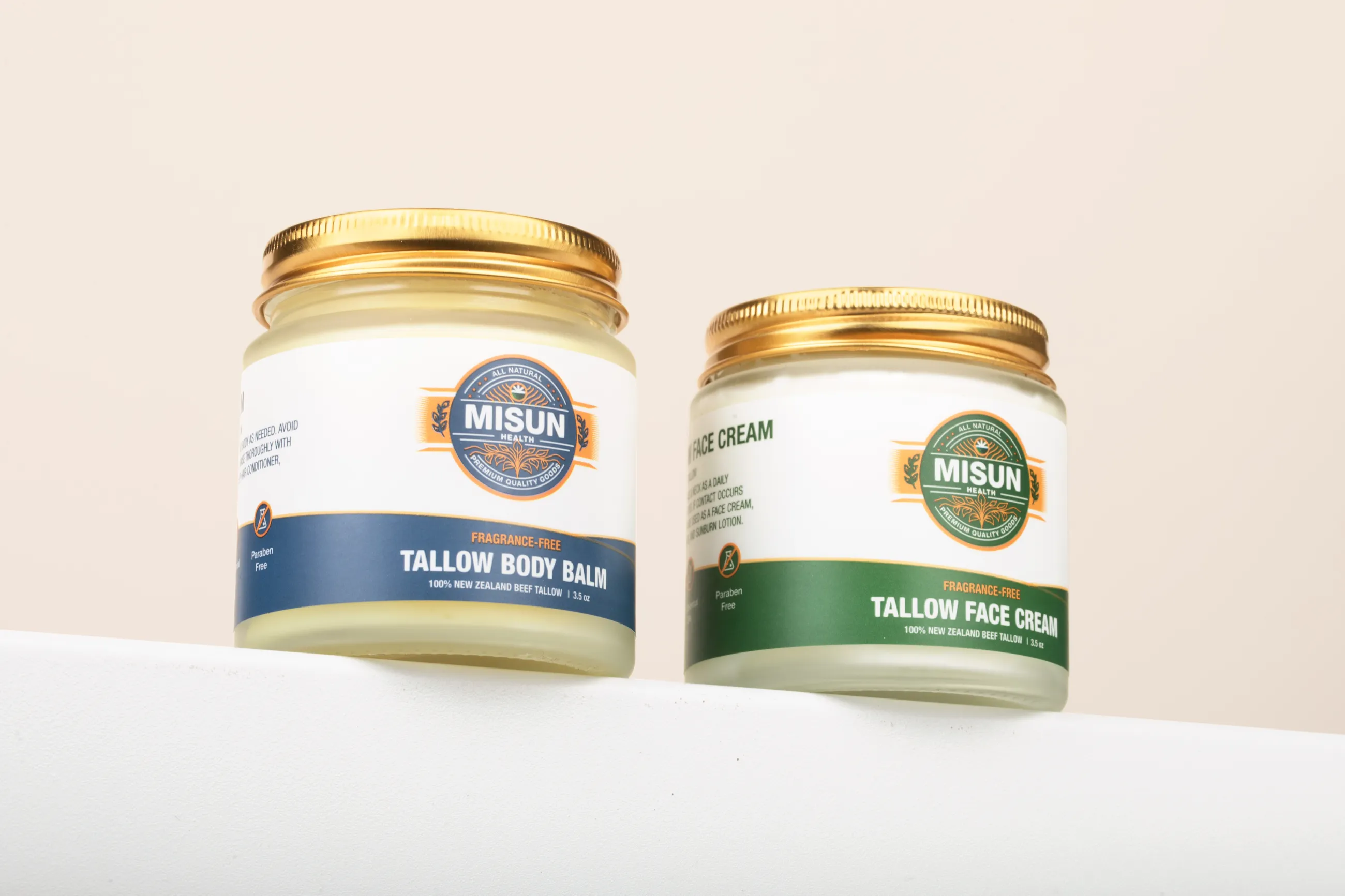
Whipped tallow cream usually makes more sense right after swimming because it spreads faster across larger body zones and feels easier under clothes. Balm is more useful when the problem is stubborn and localized, such as shin flakes, heel edges, rough elbows, lip corners, or small cracked spots that stay dry even after a normal cream layer. A practical split is cream first for all-over recovery, then balm only on the repeat offenders. That keeps the routine wearable after a workout, beach day, or lap session without turning the whole body into a sticky mess.
How to handle frequent swim weeks without overdoing the routine
If you swim several times a week, the goal is consistency more than intensity. Use a light post-swim layer after each session, then save the richer routine for night on the two or three areas that keep drying back out. Keep the shower after swimming shorter and cooler than you think you need, and avoid harsh body wash on every single zone if skin already feels stripped. Many people get better results by staying boring and repeatable than by adding more products. One dependable cream step after every swim usually beats skipping care for three sessions and trying to fix the damage with a giant layer later.
Best body zones to prioritize first after swimming
Not every area needs the same amount of product. Shins, knees, elbows, hands, shoulders, and the upper chest often show post-swim dryness first because they get more sun, water exposure, towel friction, or dry-air contact on the way home. If your face feels tight too, test a very thin amount first rather than copying the body routine exactly. If swimsuit seams, sports-bra edges, or waistbands are rubbing, focus on those friction lines early because they often turn into the spots that feel the driest later in the day. Prioritizing the highest-risk zones first usually gives a better result than using the same layer everywhere.
What results are realistic, and when dryness is more than a routine issue
A good post-swim routine should usually make skin feel less tight the same day and reduce the chalky, over-cleansed feeling by evening. Over the next week or two, the better signs are fewer flaky shin lines, less itch after showering, and less need to keep reapplying everywhere. If skin is burning, getting rashy, staying persistently inflamed, or reacting every time you swim no matter how careful the routine is, stop treating it like ordinary dryness. That is the point to check whether chlorine sensitivity, eczema, irritation from other products, or another skin condition is part of the picture.
 Misun Health
Common Questions
Should I apply beef tallow before or after swimming?
Usually after swimming. Rinse off chlorine, salt, and sunscreen first, then apply a thin layer on slightly damp skin so the product supports recovery instead of trapping residue underneath.
Can beef tallow help with chlorine-dry skin?
It can help support moisture comfort after chlorine leaves skin feeling tight or stripped, especially when used soon after rinsing. It is not a fix for every rash or sensitivity reaction, but it can be a practical recovery step for straightforward dryness.
Is whipped tallow cream or balm better after the pool?
Whipped cream is usually better for larger post-swim areas because it spreads faster and feels easier under clothes. Balm is better as a second step on smaller stubborn zones like shins, elbows, heel edges, or cracked spots.
Can I use beef tallow after ocean swimming too?
Yes. The same rinse-first, damp-skin routine usually works after ocean swimming, especially when salt, wind, and sun leave skin feeling dry or rough later in the day.
What if my skin still feels dry even after I moisturize after swimming?
Look upstream first. Long hot showers, harsh cleansers, too much sun, and waiting too long to moisturize can cancel out a decent product. If skin is still repeatedly inflamed or intensely itchy, get medical guidance instead of just layering on more product.
Build your routine
 Buy on Amazon
 Buy on Amazon
Related guides
More commercial pages
Explore similar commercial concerns or jump to the closest concern hub.
- Can You Bring Beef Tallow on a Plane? Carry-On Packing and Travel Dryness Routine
- Can You Put Beef Tallow on Your Lips? Dry Lips, Chapped Lips, and Lip-Line Flaking
- Unscented Moisturizer for Sensitive Skin: How to Choose a Fragrance-Free Routine That Actually Feels Comfortable
- Beef Tallow vs Lotion for Dry Skin
Related concern pages
Educational content only. This page is not medical advice and is not intended to diagnose, treat, cure, or prevent disease. If symptoms persist or worsen, consult a licensed clinician.