High-intent anti-chafe + recovery routine
11 min read
Beef Tallow for Chafing: Before-Activity Glide and After-Friction Recovery
Chafing-prone skin usually needs two different routines: a glide layer before friction starts and a calmer recovery layer after skin feels hot, stingy, or rubbed. Beef tallow works best when you keep those jobs separate and use the right texture on the exact zone that rubs.
A practical guide to using beef tallow for chafing on inner thighs, underarms, bra lines, waistbands, and other high-friction zones before activity and after skin feels rubbed.
Quick summary
- Chafing-prone skin usually needs two different routines: a glide layer before friction starts and a calmer recovery layer after skin feels hot, stingy, or rubbed. Beef tallow works best when you keep those jobs separate and use the right texture on the exact zone that rubs.
- Quick answer: is beef tallow good for chafing-prone skin?: It can be useful when the main problem is friction plus dryness, especially on inner thighs, underarms, under-bra bands, waistbands, buttock crease areas, and other spots that get hot, sweaty, and repeatedly rubbed. Beef tallow is most helpful as a targeted protective comfort layer that improves glide before rubbing starts and reduces that stripped, papery feeling after skin has been irritated. It is not a cure-all, and it is not the right move for broken skin, oozing rash, obvious infection, or irritation that seems driven more by allergy, yeast, or dermatitis than friction.
- Where chafing happens most, and why those zones behave differently: Common high-friction zones include inner thighs, underarms, sports-bra lines, waistbands, groin folds, buttock crease areas, and anywhere seams or repetitive motion keep rubbing. These spots usually deal with a combination of heat, sweat, skin-on-skin friction, tight clothing, and fabric drag. The point is not just that skin feels dry. It is that the area keeps losing comfort every time you walk, run, lift, or sit in damp clothing too long. That is why a chafing routine works better when you think in terms of friction control first and moisture support second.
Why people choose this approach
- It can be useful when the main problem is friction plus dryness, especially on inner thighs, underarms, under-bra bands, waistbands, buttock crease areas, and other spots that get hot, sweaty, and repeatedly rubbed. Beef tallow is most helpful as a targeted protective comfort layer that improves glide before rubbing starts and reduces that stripped, papery feeling after skin has been irritated. It is not a cure-all, and it is not the right move for broken skin, oozing rash, obvious infection, or irritation that seems driven more by allergy, yeast, or dermatitis than friction.
- Common high-friction zones include inner thighs, underarms, sports-bra lines, waistbands, groin folds, buttock crease areas, and anywhere seams or repetitive motion keep rubbing. These spots usually deal with a combination of heat, sweat, skin-on-skin friction, tight clothing, and fabric drag. The point is not just that skin feels dry. It is that the area keeps losing comfort every time you walk, run, lift, or sit in damp clothing too long. That is why a chafing routine works better when you think in terms of friction control first and moisture support second.
Keep in mind
- Patch test first and increase use gradually based on comfort.
- Skincare supports moisture and comfort but is not a cure for medical conditions.
- If symptoms persist, worsen, or become painful, consult a licensed clinician.
Routine steps
How to use beef tallow before a walk, workout, or humid-weather day
Before activity, the goal is a thin, even glide layer, not a thick greasy coating. Use balm on clean, fully dry skin and spread just enough over the exact spots that usually rub first. Inner thighs, bra-band edges, underarms, waistband lines, and high-friction folds usually need the most attention. Let the layer settle for a minute before getting dressed so it is less likely to smear unevenly. If you know you will be walking long distances, hiking, training in humidity, wearing denim, or dealing with rough seams, think of balm as the pre-friction step and keep the application targeted instead of turning your whole routine into an all-over occlusive layer.
The prevention routine: clean, dry, thin, and placed before clothing rubs
For prevention, timing matters. Apply balm before skin is sweaty and before fabric has already started dragging. Dry the area fully, use a small amount, then move normally for a minute to check whether the layer is smooth or bunching. If it feels sticky, shiny, or like clothing is grabbing more, wipe a little away and use less next time. A good anti-chafe layer should make walking, arm swing, or waistband movement feel quieter; it should not feel like the skin is coated in a heavy salve.
What makes balm better before friction, and cream better after it
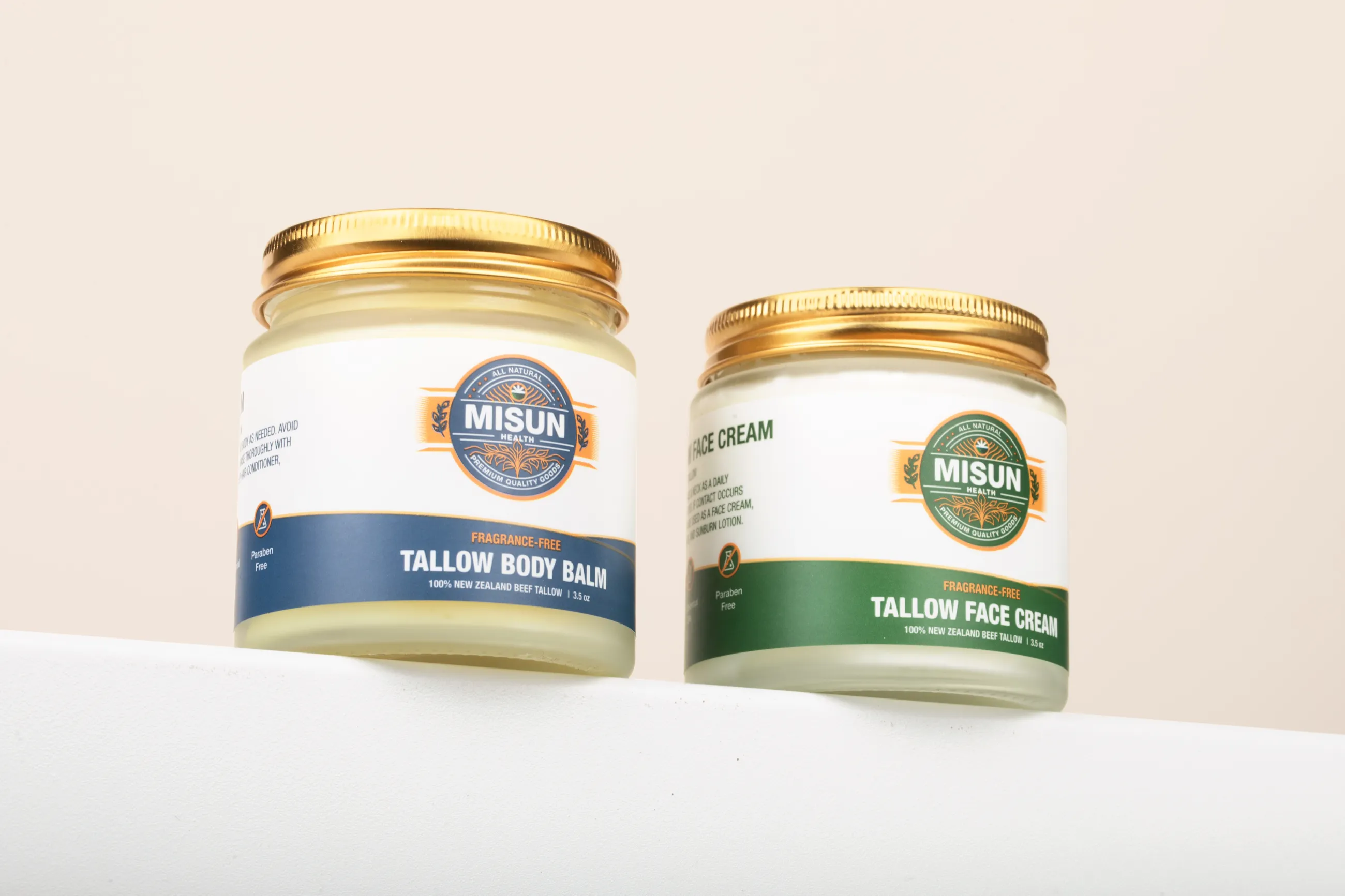
For chafing-prone skin, texture matters. Balm usually makes more sense before friction because it has more staying power and tends to create a better glide layer on high-rub zones. Whipped tallow cream is usually the easier choice after the activity or shower, when the goal shifts from prevention to comfort and moisture recovery. A good practical split is balm before long walks, runs, leggings, denim, or hot-weather errands, then whipped cream later when skin feels dry, tight, or overheated but no longer needs the heavier anti-friction role.
How much to use on inner thighs, underarms, bra lines, and waistbands
The right amount is usually less than people think. Use enough that the area feels lightly coated and smoother, not glossy and slippery. On inner thighs, spread a thin layer across the exact contact zone rather than extending far beyond it. On underarms or bra lines, keep the layer light because sweat and fabric pressure can make heavy application feel worse. Around waistbands or shapewear edges, focus only on the strip that usually rubs. If product starts bunching, transferring heavily to clothing, or feeling sticky in heat, that usually means the layer is too thick rather than too thin.
What to do after activity if skin already feels hot, red, or rubbed raw
After friction has already happened, switch from prevention mode to low-friction recovery. Rinse sweat away with cool to lukewarm water, cleanse gently if needed, and pat dry without scrubbing. Then use whipped tallow cream or a very small amount of balm only where skin feels especially dry or tight. This is where people often overdo it. Freshly chafed skin usually wants less rubbing, less fragrance, and less experimentation, not a thick layer massaged in aggressively. Loose clothing, cooler skin, and a boring routine for the rest of the day often matter more than piling on extra product.
The recovery routine: cool down first, then moisturize without more rubbing
If skin is already warm or stingy, do not treat tallow like the first step. First remove sweat, heat, and tight clothing pressure. Let the area cool down, then press on a small amount of whipped cream instead of rubbing it back and forth. For fold areas, keep the layer especially thin so moisture and heat do not get trapped. If the area needs a barrier overnight, a tiny balm layer can make sense once skin is calm, but heavy occlusion over freshly angry folds can backfire.
When beef tallow makes sense for runners, walkers, gym sessions, and everyday thigh rub
The same ingredient can play different roles depending on the type of friction. For runners, it is usually a pre-run anti-chafe step on exact hot spots. For long walkers, travel days, theme-park days, and humid-weather errands, it can be the thing that keeps inner thighs or bra lines from getting progressively more irritated over hours. For gym sessions, it is usually better before cycling, treadmill work, or repeated arm swing than after skin is already angry. For everyday thigh rub or waistband irritation, the most useful routine is often a small consistent amount before the situations that usually trigger the problem rather than waiting until skin is already raw.
How to tell whether the problem is simple chafing or something that needs a different plan
Typical chafing feels rubbed, warm, dry, stingy, or superficially raw after friction. The pattern usually matches where skin or fabric keeps dragging. If the area is blistered, cracked open, oozing, sharply painful, very swollen, or spreading beyond a friction pattern, treat that as a different problem. The same goes for rashes that look fungal, symptoms that keep recurring in skin folds even without much friction, or irritation that worsens dramatically with nearly any product. Supportive skincare may still be part of the answer, but it should stop being treated like a simple anti-chafe experiment at that point.
A simple trial routine to see if beef tallow is actually helping
For three to five friction-prone days, use balm before the exact activity or clothing situation that usually causes rubbing, then use whipped cream after showering or later in the day only if the area still feels dry or tight. Pay attention to practical markers: less sting during walking, less redness by the end of the day, fewer moments where skin feels like it is catching on itself or on seams, and faster overnight recovery after exercise. If the area just feels greasy without reducing friction, you probably need a thinner layer or a more targeted placement pattern rather than more product.
Quick answer: is beef tallow good for chafing-prone skin?
It can be useful when the main problem is friction plus dryness, especially on inner thighs, underarms, under-bra bands, waistbands, buttock crease areas, and other spots that get hot, sweaty, and repeatedly rubbed. Beef tallow is most helpful as a targeted protective comfort layer that improves glide before rubbing starts and reduces that stripped, papery feeling after skin has been irritated. It is not a cure-all, and it is not the right move for broken skin, oozing rash, obvious infection, or irritation that seems driven more by allergy, yeast, or dermatitis than friction.
Where chafing happens most, and why those zones behave differently
Common high-friction zones include inner thighs, underarms, sports-bra lines, waistbands, groin folds, buttock crease areas, and anywhere seams or repetitive motion keep rubbing. These spots usually deal with a combination of heat, sweat, skin-on-skin friction, tight clothing, and fabric drag. The point is not just that skin feels dry. It is that the area keeps losing comfort every time you walk, run, lift, or sit in damp clothing too long. That is why a chafing routine works better when you think in terms of friction control first and moisture support second.
How to use beef tallow before a walk, workout, or humid-weather day
Before activity, the goal is a thin, even glide layer, not a thick greasy coating. Use balm on clean, fully dry skin and spread just enough over the exact spots that usually rub first. Inner thighs, bra-band edges, underarms, waistband lines, and high-friction folds usually need the most attention. Let the layer settle for a minute before getting dressed so it is less likely to smear unevenly. If you know you will be walking long distances, hiking, training in humidity, wearing denim, or dealing with rough seams, think of balm as the pre-friction step and keep the application targeted instead of turning your whole routine into an all-over occlusive layer.
The prevention routine: clean, dry, thin, and placed before clothing rubs
For prevention, timing matters. Apply balm before skin is sweaty and before fabric has already started dragging. Dry the area fully, use a small amount, then move normally for a minute to check whether the layer is smooth or bunching. If it feels sticky, shiny, or like clothing is grabbing more, wipe a little away and use less next time. A good anti-chafe layer should make walking, arm swing, or waistband movement feel quieter; it should not feel like the skin is coated in a heavy salve.
What makes balm better before friction, and cream better after it
For chafing-prone skin, texture matters. Balm usually makes more sense before friction because it has more staying power and tends to create a better glide layer on high-rub zones. Whipped tallow cream is usually the easier choice after the activity or shower, when the goal shifts from prevention to comfort and moisture recovery. A good practical split is balm before long walks, runs, leggings, denim, or hot-weather errands, then whipped cream later when skin feels dry, tight, or overheated but no longer needs the heavier anti-friction role.
How much to use on inner thighs, underarms, bra lines, and waistbands
The right amount is usually less than people think. Use enough that the area feels lightly coated and smoother, not glossy and slippery. On inner thighs, spread a thin layer across the exact contact zone rather than extending far beyond it. On underarms or bra lines, keep the layer light because sweat and fabric pressure can make heavy application feel worse. Around waistbands or shapewear edges, focus only on the strip that usually rubs. If product starts bunching, transferring heavily to clothing, or feeling sticky in heat, that usually means the layer is too thick rather than too thin.
Activity-specific placement: thighs, sports bras, waistbands, and underarms
Inner-thigh chafing usually needs a longer, narrow strip where skin contacts skin during walking. Sports-bra and chest-band irritation usually needs a thinner line right under the elastic edge, not a wide greasy patch across the torso. Waistband chafing often improves when you treat the top edge or side seam area instead of the whole stomach or hip. Underarms are trickier because sweat and deodorant can change texture, so start with the lightest possible amount and avoid layering over a freshly irritating deodorant test.
What to do after activity if skin already feels hot, red, or rubbed raw
After friction has already happened, switch from prevention mode to low-friction recovery. Rinse sweat away with cool to lukewarm water, cleanse gently if needed, and pat dry without scrubbing. Then use whipped tallow cream or a very small amount of balm only where skin feels especially dry or tight. This is where people often overdo it. Freshly chafed skin usually wants less rubbing, less fragrance, and less experimentation, not a thick layer massaged in aggressively. Loose clothing, cooler skin, and a boring routine for the rest of the day often matter more than piling on extra product.
The recovery routine: cool down first, then moisturize without more rubbing
If skin is already warm or stingy, do not treat tallow like the first step. First remove sweat, heat, and tight clothing pressure. Let the area cool down, then press on a small amount of whipped cream instead of rubbing it back and forth. For fold areas, keep the layer especially thin so moisture and heat do not get trapped. If the area needs a barrier overnight, a tiny balm layer can make sense once skin is calm, but heavy occlusion over freshly angry folds can backfire.
When beef tallow makes sense for runners, walkers, gym sessions, and everyday thigh rub
The same ingredient can play different roles depending on the type of friction. For runners, it is usually a pre-run anti-chafe step on exact hot spots. For long walkers, travel days, theme-park days, and humid-weather errands, it can be the thing that keeps inner thighs or bra lines from getting progressively more irritated over hours. For gym sessions, it is usually better before cycling, treadmill work, or repeated arm swing than after skin is already angry. For everyday thigh rub or waistband irritation, the most useful routine is often a small consistent amount before the situations that usually trigger the problem rather than waiting until skin is already raw.
When a dedicated anti-chafe stick or powder may still be better
Tallow is not always the best texture for every friction problem. If you need a very dry finish under tight performance fabric, a dedicated anti-chafe stick may feel cleaner. If moisture is the dominant issue in a skin fold, a powder or different fold-care plan may be more appropriate than adding a richer balm. Beef tallow fits best when the problem is repeated rubbing plus dryness or barrier stress, and when a small targeted layer actually reduces drag instead of adding heat.
How to tell whether the problem is simple chafing or something that needs a different plan
Typical chafing feels rubbed, warm, dry, stingy, or superficially raw after friction. The pattern usually matches where skin or fabric keeps dragging. If the area is blistered, cracked open, oozing, sharply painful, very swollen, or spreading beyond a friction pattern, treat that as a different problem. The same goes for rashes that look fungal, symptoms that keep recurring in skin folds even without much friction, or irritation that worsens dramatically with nearly any product. Supportive skincare may still be part of the answer, but it should stop being treated like a simple anti-chafe experiment at that point.
A simple trial routine to see if beef tallow is actually helping
For three to five friction-prone days, use balm before the exact activity or clothing situation that usually causes rubbing, then use whipped cream after showering or later in the day only if the area still feels dry or tight. Pay attention to practical markers: less sting during walking, less redness by the end of the day, fewer moments where skin feels like it is catching on itself or on seams, and faster overnight recovery after exercise. If the area just feels greasy without reducing friction, you probably need a thinner layer or a more targeted placement pattern rather than more product.
 Misun Health
Common Questions
Can beef tallow replace an anti-chafe stick?
For some people, yes. It can fill a similar role by creating a protective glide layer on high-friction zones. The main difference is texture. If you prefer a very dry stick feel under tight athletic clothing, you may still prefer a dedicated anti-chafe product, but a targeted tallow balm layer can work well for many walking, travel, thigh-rub, and waistband routines.
Should I use whipped tallow cream or balm for chafing-prone skin?
Balm usually makes more sense before friction because it stays put better and offers more glide. Whipped cream usually makes more sense after activity or after showering, when the goal is moisture support rather than friction prevention.
Can I use beef tallow on inner thighs for thigh chafing?
Many people do. Apply a thin layer only across the part of the inner thighs that usually rub, and keep the coating light enough that it improves glide without feeling overly sticky in heat.
Should skin be wet or dry before applying tallow for chafing?
For prevention, skin should usually be clean and fully dry so the balm can form a smoother glide layer. After activity or showering, slightly damp skin can be fine for whipped cream recovery, but avoid trapping sweat in skin folds.
Can beef tallow make chafing worse?
It can if the layer is too thick, the area is already wet and hot, or the real problem is a rash, infection, allergy, or fold irritation rather than simple rubbing. If the area feels warmer, stickier, itchier, or more irritated after use, stop and reassess.
What if chafed skin already burns when I touch it?
Keep the routine very gentle. Rinse, pat dry, and apply only a very small amount without rubbing hard. If skin is broken, oozing, unusually swollen, or getting worse instead of better, stop treating it like a basic chafing problem and get medical guidance.
Build your routine
 Buy on Amazon
 Buy on Amazon
Related guides
More transactional pages
Explore similar transactional concerns or jump to the closest concern hub.
- Fragrance-Free Moisturizer for Retinol-Adjusting Dry Skin
- Beef Tallow for Hands: Dry, Cracked, and Overwashed Hand Care
- Beef Tallow for Cracked Heels, Dry Feet, and Rough Soles
- Beef Tallow for Itchy Winter Skin
Related concern pages
Educational content only. This page is not medical advice and is not intended to diagnose, treat, cure, or prevent disease. If symptoms persist or worsen, consult a licensed clinician.