High-intent razor burn + aftershave routine
8 min read
Beef Tallow for Razor Burn: How to Use Beef Tallow After Shaving
If your skin feels hot, tight, bumpy, or irritated after shaving, the fix is usually a lower-friction recovery plan, not more products. Beef tallow works best here as a very thin comfort layer plus better shave spacing, gentler technique, and smarter spot treatment on the areas that keep burning or catching after a close shave.
A practical guide to using beef tallow for razor burn and post-shave irritation, including low-friction aftershave steps for face, neck, underarms, legs, and other ingrown-prone areas.
Quick summary
- If your skin feels hot, tight, bumpy, or irritated after shaving, the fix is usually a lower-friction recovery plan, not more products. Beef tallow works best here as a very thin comfort layer plus better shave spacing, gentler technique, and smarter spot treatment on the areas that keep burning or catching after a close shave.
- Quick answer: is beef tallow good for razor burn after shaving?: It can help with moisture comfort and reduce that stripped, papery feeling after shaving, but it is not magic and it is not the whole fix. Beef tallow usually makes the most sense when skin feels tight, dry, warm, mildly rough, or generally post-shave irritated and you want a richer, fragrance-free layer that does not require a complicated routine. If the main problem is active cuts, oozing bumps, obvious infection, or inflamed ingrowns, tallow is not the answer by itself and you should stop treating it like a simple moisturizer problem.
- Why razor burn shows up right after shaving: Razor burn usually comes from too much friction in one session: repeated passes, a dull blade, heavy pressure, shaving against the grain, or shaving skin that already feels dry or reactive. It tends to show up quickly as heat, redness, stinging, or a rough bumpy feel, especially on the neck, jawline, upper lip, underarms, bikini line, and inner thighs where skin is thinner or hair growth changes direction.
Why people choose this approach
- It can help with moisture comfort and reduce that stripped, papery feeling after shaving, but it is not magic and it is not the whole fix. Beef tallow usually makes the most sense when skin feels tight, dry, warm, mildly rough, or generally post-shave irritated and you want a richer, fragrance-free layer that does not require a complicated routine. If the main problem is active cuts, oozing bumps, obvious infection, or inflamed ingrowns, tallow is not the answer by itself and you should stop treating it like a simple moisturizer problem.
- Razor burn usually comes from too much friction in one session: repeated passes, a dull blade, heavy pressure, shaving against the grain, or shaving skin that already feels dry or reactive. It tends to show up quickly as heat, redness, stinging, or a rough bumpy feel, especially on the neck, jawline, upper lip, underarms, bikini line, and inner thighs where skin is thinner or hair growth changes direction.
Keep in mind
- Patch test first and increase use gradually based on comfort.
- Skincare supports moisture and comfort but is not a cure for medical conditions.
- If symptoms persist, worsen, or become painful, consult a licensed clinician.
Routine steps
Quick answer: is beef tallow good for razor burn after shaving?
It can help with moisture comfort and reduce that stripped, papery feeling after shaving, but it is not magic and it is not the whole fix. Beef tallow usually makes the most sense when skin feels tight, dry, warm, mildly rough, or generally post-shave irritated and you want a richer, fragrance-free layer that does not require a complicated routine. If the main problem is active cuts, oozing bumps, obvious infection, or inflamed ingrowns, tallow is not the answer by itself and you should stop treating it like a simple moisturizer problem.
Why razor burn shows up right after shaving
Razor burn usually comes from too much friction in one session: repeated passes, a dull blade, heavy pressure, shaving against the grain, or shaving skin that already feels dry or reactive. It tends to show up quickly as heat, redness, stinging, or a rough bumpy feel, especially on the neck, jawline, upper lip, underarms, bikini line, and inner thighs where skin is thinner or hair growth changes direction.
What to do in the first 10 minutes after shaving
Rinse away leftover shave product with cool to lukewarm water, then pat skin dry without rubbing. Apply a very thin layer of whipped tallow cream while the area is still slightly damp so you get slip without a heavy finish. This is the same practical lane many people mean when they search for beef tallow as an aftershave or for post-shave irritation. If a few high-friction spots feel extra stripped, like the neck, corners of the mouth, underarms, or bikini line, add a tiny touch of balm only on those zones instead of coating the whole area in a thick layer. If skin is nicked or actively stinging hard, keep the layer even lighter and avoid scrubbing or rubbing product in.
How to use beef tallow after shaving without making skin feel heavier
The biggest mistake is using too much. Freshly shaved skin often wants less rubbing and less product, not more. Warm a tiny amount between fingers first, then press or glide it over the irritated area until the tight feeling eases. Stop before the skin looks glossy or coated. On the face and neck, that usually means a much smaller amount than you would use on shins or forearms. On underarms or bikini-line-type zones, a thin layer matters even more because sweat, folds, and fabric friction can make heavy application feel worse instead of better.
Why face and neck need a different routine than body zones
Face and neck skin usually need less product and less rubbing than legs or other larger body areas. On the face, jawline, and neck, spread the thinnest layer that takes away the tight stripped feeling, because heavier application can feel greasy fast. On legs, arms, or chest, a broader thin layer is usually fine. On underarms, bikini line, or inner thighs, stay lighter again because skin folds, sweat, and clothing friction can make freshly shaved skin feel more irritated if you over-apply.
What to do later the same day if skin still feels raw
If the area feels tight again later that day, reapply a very small amount only where skin still feels dry or rubbed raw. Keep the rest of the routine boring for the next several hours: skip scrubs, exfoliating acids, retinoids, strongly fragranced aftershaves, and anything that stings on contact. Loose clothing, less touching, and less heat or sweat friction are often more helpful than adding more products. If you need to be outside, wear a simple protective layer like loose fabric instead of trying to fix the problem by piling on a thicker occlusive.
How shaving frequency, blade condition, and friction change the outcome
The best after-shave product cannot fully cancel out a high-friction shave. Use a sharp clean blade, enough shave medium, and light pressure, and stop before you turn one pass into four. If you keep getting razor burn on the same zone, the fix is often more recovery time between close shaves, fewer against-the-grain passes, or switching some sessions to a trimmer instead of trying to shave irritated skin again the next morning.
Quick answer: is beef tallow good for razor burn after shaving?
It can help with moisture comfort and reduce that stripped, papery feeling after shaving, but it is not magic and it is not the whole fix. Beef tallow usually makes the most sense when skin feels tight, dry, warm, mildly rough, or generally post-shave irritated and you want a richer, fragrance-free layer that does not require a complicated routine. If the main problem is active cuts, oozing bumps, obvious infection, or inflamed ingrowns, tallow is not the answer by itself and you should stop treating it like a simple moisturizer problem.
Why razor burn shows up right after shaving
Razor burn usually comes from too much friction in one session: repeated passes, a dull blade, heavy pressure, shaving against the grain, or shaving skin that already feels dry or reactive. It tends to show up quickly as heat, redness, stinging, or a rough bumpy feel, especially on the neck, jawline, upper lip, underarms, bikini line, and inner thighs where skin is thinner or hair growth changes direction.
What to do in the first 10 minutes after shaving
Rinse away leftover shave product with cool to lukewarm water, then pat skin dry without rubbing. Apply a very thin layer of whipped tallow cream while the area is still slightly damp so you get slip without a heavy finish. This is the same practical lane many people mean when they search for beef tallow as an aftershave or for post-shave irritation. If a few high-friction spots feel extra stripped, like the neck, corners of the mouth, underarms, or bikini line, add a tiny touch of balm only on those zones instead of coating the whole area in a thick layer. If skin is nicked or actively stinging hard, keep the layer even lighter and avoid scrubbing or rubbing product in.
How to use beef tallow after shaving without making skin feel heavier
The biggest mistake is using too much. Freshly shaved skin often wants less rubbing and less product, not more. Warm a tiny amount between fingers first, then press or glide it over the irritated area until the tight feeling eases. Stop before the skin looks glossy or coated. On the face and neck, that usually means a much smaller amount than you would use on shins or forearms. On underarms or bikini-line-type zones, a thin layer matters even more because sweat, folds, and fabric friction can make heavy application feel worse instead of better.
Why face and neck need a different routine than body zones
Face and neck skin usually need less product and less rubbing than legs or other larger body areas. On the face, jawline, and neck, spread the thinnest layer that takes away the tight stripped feeling, because heavier application can feel greasy fast. On legs, arms, or chest, a broader thin layer is usually fine. On underarms, bikini line, or inner thighs, stay lighter again because skin folds, sweat, and clothing friction can make freshly shaved skin feel more irritated if you over-apply.
What to do later the same day if skin still feels raw
If the area feels tight again later that day, reapply a very small amount only where skin still feels dry or rubbed raw. Keep the rest of the routine boring for the next several hours: skip scrubs, exfoliating acids, retinoids, strongly fragranced aftershaves, and anything that stings on contact. Loose clothing, less touching, and less heat or sweat friction are often more helpful than adding more products. If you need to be outside, wear a simple protective layer like loose fabric instead of trying to fix the problem by piling on a thicker occlusive.
When whipped tallow cream beats balm, and when balm is worth it
Whipped tallow cream is usually the better starting point because it spreads more lightly across a freshly shaved zone and is easier to keep thin. Balm makes more sense only when a few tiny areas feel extra stripped, such as lip corners, the center of the neck, underarm edges, or one stubborn patch on the bikini line that keeps catching on fabric. If the whole area feels angry, start lighter, not heavier. A spot-balm role is often more useful than turning the whole post-shave routine into an all-balm routine.
How shaving frequency, blade condition, and friction change the outcome
The best after-shave product cannot fully cancel out a high-friction shave. Use a sharp clean blade, enough shave medium, and light pressure, and stop before you turn one pass into four. If you keep getting razor burn on the same zone, the fix is often more recovery time between close shaves, fewer against-the-grain passes, or switching some sessions to a trimmer instead of trying to shave irritated skin again the next morning.
Razor burn vs lingering shave bumps
Razor burn usually shows up quickly after shaving with diffuse sting, warmth, or surface redness. Lingering bumps that stick around for days may be more ingrown-prone or tied to ongoing friction from clothing or repeated shaving. Moisturizing can help support comfort while skin settles, but painful bumps, drainage, spreading redness, or repeated flare-ups deserve clinician guidance instead of repeated self-experimenting.
A practical next-shave plan if the same area keeps flaring
If you repeatedly get razor burn in the same place, change the next shave before you change products again. Give the zone a recovery window, soften hair well before shaving, reduce pass count, and stop chasing a perfectly glass-smooth result on irritated skin. Necks, underarms, bikini lines, and inner thighs often do better with gentler angle control or a trimmer day between closer shaves. Tallow can support comfort after the fact, but the bigger SEO-useful answer for this query is that better technique usually does more than a richer aftercare layer alone.
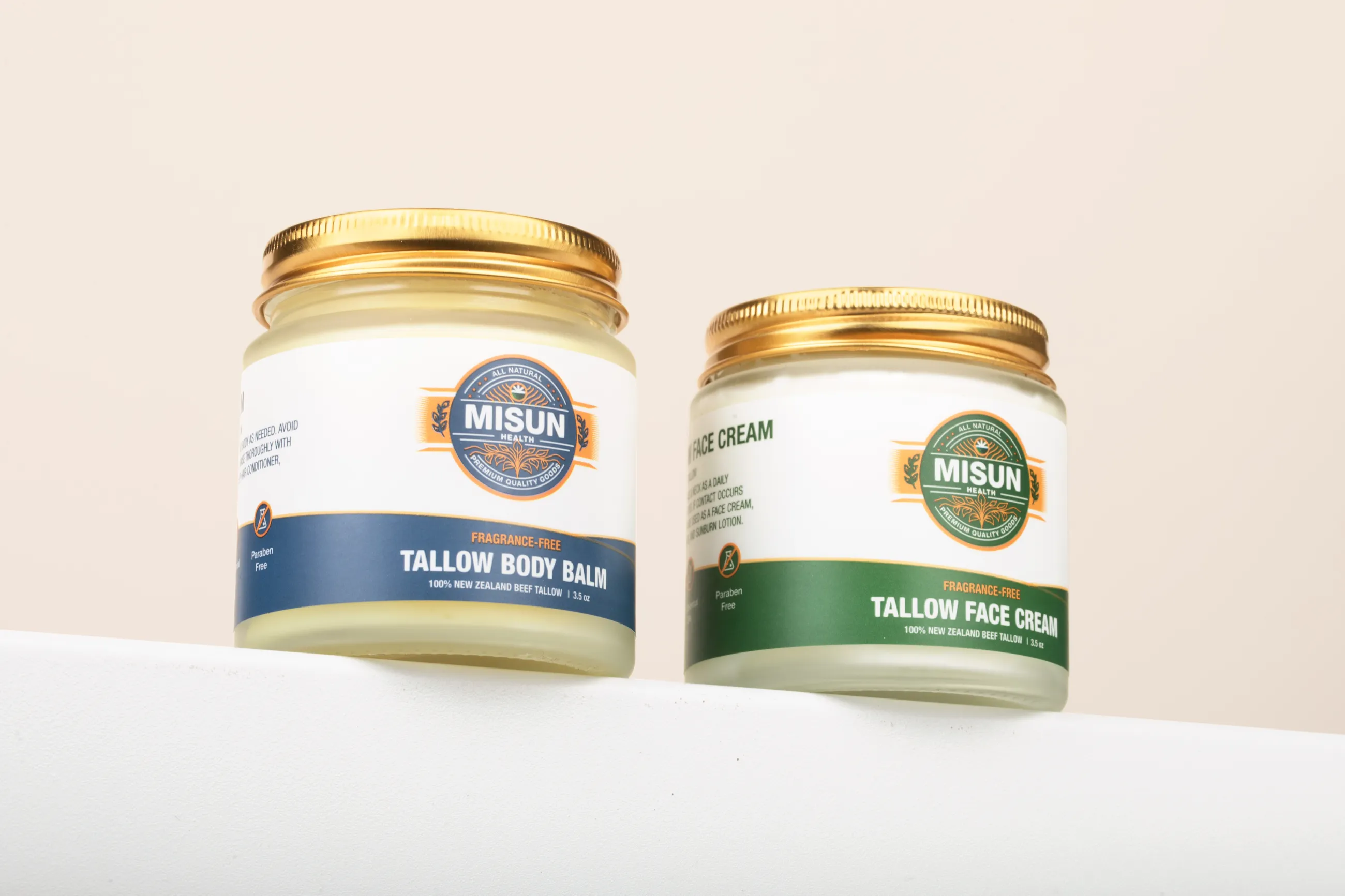 Misun Health
Common Questions
Can I use beef tallow immediately after shaving?
Many people use a thin layer right after shaving for moisture comfort, especially when skin feels tight, warm, or over-stripped. Start small, apply to slightly damp skin, and patch test first if your skin is highly reactive.
Can beef tallow work like an aftershave for post-shave irritation?
Yes, if you treat it like a light comfort layer instead of a heavy coating. A small amount of whipped tallow cream on slightly damp skin can work as a simple fragrance-free aftershave option when the real goal is calming post-shave tightness, dryness, or mild razor burn.
Is beef tallow good for razor burn or just for dry skin after shaving?
It is usually better thought of as comfort support for mild razor burn and post-shave dryness, not a cure for every shave problem. It can help when skin feels tight, warm, or rubbed raw, but severe ingrowns, infected bumps, or open cuts need a different approach.
How much beef tallow should I use after shaving?
Usually far less than you think. Use the smallest amount that takes away drag and tightness, then stop before the area looks glossy or heavily coated. Freshly shaved skin often reacts better to a thin layer than to a thick occlusive film.
Is whipped tallow cream or balm better for razor burn?
Whipped tallow cream is usually the easier starting point because it spreads more lightly across freshly shaved skin. Balm makes more sense as a tiny spot treatment on extra-stripped areas instead of a heavy all-over layer.
Should the routine be different for face and neck versus legs or underarms?
Yes. Face and neck skin usually do best with the lightest possible layer, while legs can usually handle a broader thin application. Underarms, bikini line, and inner thighs often need a lighter touch again because sweat and clothing friction can make over-application feel worse.
Should I shave again tomorrow if the area is still irritated?
Usually it is better to give irritated skin more recovery time rather than forcing another close shave immediately. If you need grooming sooner, a gentler pass or an electric trimmer is often easier on angry skin than repeating a close wet shave.
Can beef tallow cure ingrown hairs or persistent shave bumps?
No. It can support moisture and comfort after shaving, but it does not cure ingrowns or replace medical care. If bumps are painful, swollen, draining, or keep coming back, get clinician guidance.
Build your routine
 Buy on Amazon
 Buy on Amazon
Related guides
More transactional pages
Explore similar transactional concerns or jump to the closest concern hub.
- Fragrance-Free Moisturizer for Retinol-Adjusting Dry Skin
- Beef Tallow for Hands: Dry, Cracked, and Overwashed Hand Care
- Beef Tallow for Cracked Heels, Dry Feet, and Rough Soles
- Beef Tallow for Itchy Winter Skin
Related concern pages
Educational content only. This page is not medical advice and is not intended to diagnose, treat, cure, or prevent disease. If symptoms persist or worsen, consult a licensed clinician.