High-intent product comparison
7 min read
Beef Tallow vs La Roche-Posay for Dry, Sensitive Skin
Both options can work for dry, reactive skin, but they fill different routine roles. Matching product type to timing and skin zone is usually more effective than choosing one for everything.
Compare beef tallow vs La Roche-Posay for dry sensitive skin support, including texture, layering flexibility, and high-friction zone performance.
Quick summary
- Both options can work for dry, reactive skin, but they fill different routine roles. Matching product type to timing and skin zone is usually more effective than choosing one for everything.
- How these options differ in routine role: La Roche-Posay style creams are commonly used for barrier-focused hydration in lighter formats, while tallow products are often used for richer emollient and occlusive support on persistent dry zones.
- How to use each without over-layering: Apply cream first on slightly damp skin, then add a thin tallow layer only where dryness rebounds fastest such as knuckles, shins, elbows, and lip edges.
Why people choose this approach
- La Roche-Posay style creams are commonly used for barrier-focused hydration in lighter formats, while tallow products are often used for richer emollient and occlusive support on persistent dry zones.
- Apply cream first on slightly damp skin, then add a thin tallow layer only where dryness rebounds fastest such as knuckles, shins, elbows, and lip edges.
Keep in mind
- Patch test first and increase use gradually based on comfort.
- Skincare supports moisture and comfort but is not a cure for medical conditions.
- If symptoms persist, worsen, or become painful, consult a licensed clinician.
Quick comparison
| Feature | Whipped Tallow Cream | Beef Tallow Balm |
|---|---|---|
| Best use case | Daily face/body moisture with lighter spread | Targeted dry patches and high-friction zones |
| Typical routine timing | Morning + daytime maintenance | Night routine + targeted application |
| Texture feel | Lighter and easier to spread | Dense and more sealing |
Routine steps
How these options differ in routine role
La Roche-Posay style creams are commonly used for barrier-focused hydration in lighter formats, while tallow products are often used for richer emollient and occlusive support on persistent dry zones.
How to use each without over-layering
Apply cream first on slightly damp skin, then add a thin tallow layer only where dryness rebounds fastest such as knuckles, shins, elbows, and lip edges.
Two-week test method for clearer decisions
Keep your cleanser and active ingredients stable, test one base approach for 1-2 weeks, and compare comfort, residue feel, and reapplication needs before adjusting.
How these options differ in routine role
La Roche-Posay style creams are commonly used for barrier-focused hydration in lighter formats, while tallow products are often used for richer emollient and occlusive support on persistent dry zones.
How to use each without over-layering
Apply cream first on slightly damp skin, then add a thin tallow layer only where dryness rebounds fastest such as knuckles, shins, elbows, and lip edges.
Two-week test method for clearer decisions
Keep your cleanser and active ingredients stable, test one base approach for 1-2 weeks, and compare comfort, residue feel, and reapplication needs before adjusting.
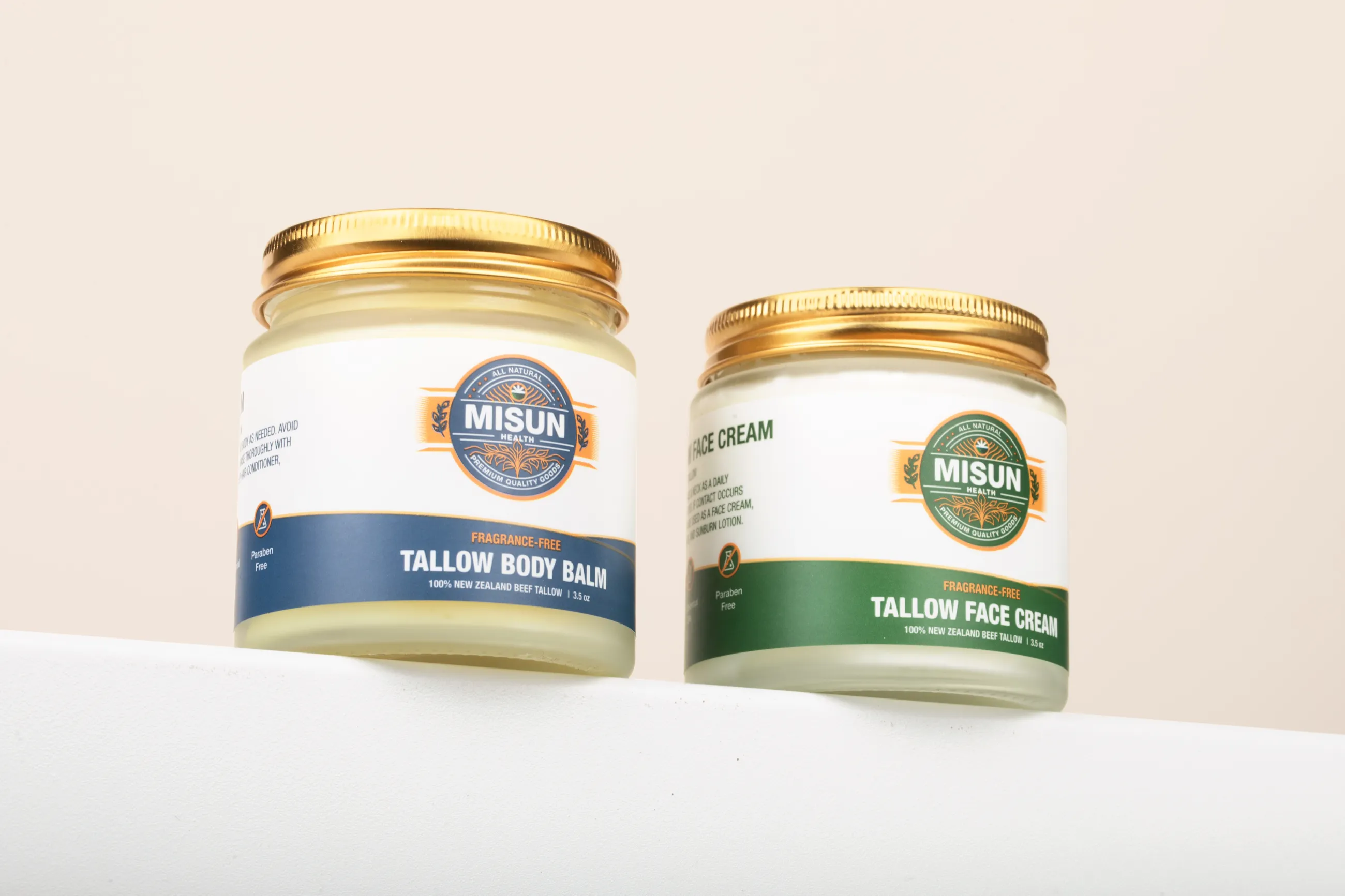 Misun Health
Common Questions
Is beef tallow always better than La Roche-Posay for sensitive skin?
No. Some people prefer lighter cream formats, while others need richer support for high-friction dry patches.
Can I use La Roche-Posay and tallow together?
Yes. Many routines use cream as the base layer, then apply a small amount of tallow only on extra-dry areas.
Build your routine
 Buy on Amazon
 Buy on Amazon
Related guides
More commercial pages
Explore similar commercial concerns or jump to the closest concern hub.
- Can You Bring Beef Tallow on a Plane? Carry-On Packing and Travel Dryness Routine
- Can You Put Beef Tallow on Your Lips? Dry Lips, Chapped Lips, and Lip-Line Flaking
- Unscented Moisturizer for Sensitive Skin: How to Choose a Fragrance-Free Routine That Actually Feels Comfortable
- Beef Tallow vs Lotion for Dry Skin
Related concern pages
Educational content only. This page is not medical advice and is not intended to diagnose, treat, cure, or prevent disease. If symptoms persist or worsen, consult a licensed clinician.