High-intent cracked heels + dry feet routine
11 min read
Beef Tallow for Cracked Heels, Dry Feet, and Rough Soles
Yes, beef tallow can be good for cracked heels and dry feet when you use it like a targeted foot-repair step, not a random all-over moisturizer. The biggest wins usually come from pressing balm into the heel rim, back edge, and rough sole patches right after washing, using a lighter daytime foot routine so shoes still feel normal, and giving the driest areas a real overnight sock window. That matters more than slathering your whole foot once and hoping the cracks stop catching on socks by morning.
A practical beef tallow routine for cracked heels and dry feet, including where to put tallow on feet, heel-rim targeting, after-shower timing, overnight socks, shoe-friction control, and when rough feet need more than home care.
Quick summary
- Yes, beef tallow can be good for cracked heels and dry feet when you use it like a targeted foot-repair step, not a random all-over moisturizer. The biggest wins usually come from pressing balm into the heel rim, back edge, and rough sole patches right after washing, using a lighter daytime foot routine so shoes still feel normal, and giving the driest areas a real overnight sock window. That matters more than slathering your whole foot once and hoping the cracks stop catching on socks by morning.
- Why cracked heels and dry feet keep coming back even when you moisturize: Heel skin is thicker than most body skin, but it also takes more pressure, rubbing, and edge stress than people realize. Long standing hours, open-back shoes, hard floors, hot showers, and dry indoor air can all push the heel rim into that rough, rigid stage where lines start catching on socks and gradually deepen. That is why many people say their feet feel better right after lotion, then rough again by the next day. The usual issue is not that they forgot to moisturize. It is that the product wears off too fast, gets spread too broadly instead of staying on the cracked zones, or never gets a real overnight repair window.
- Is beef tallow good for cracked heels, and where should it go on feet?: It can be a useful comfort-and-softness step for cracked heels, especially when the problem is dry, brittle heel skin rather than a deeper wound. Beef tallow usually makes the most sense on the heel rim, back edge, outer sidewall, and rough sole patches that keep feeling chalky or tight. Those areas lose comfort fastest because they deal with pressure and friction all day. If the top of your foot is only lightly dry, whipped cream may be enough there. If the part that keeps failing is the pale, snaggy heel edge, balm is usually the stronger fit because it stays put longer. The goal is not coating every inch of the foot equally. It is matching the heavier layer to the parts that keep splitting first.
Why people choose this approach
- Heel skin is thicker than most body skin, but it also takes more pressure, rubbing, and edge stress than people realize. Long standing hours, open-back shoes, hard floors, hot showers, and dry indoor air can all push the heel rim into that rough, rigid stage where lines start catching on socks and gradually deepen. That is why many people say their feet feel better right after lotion, then rough again by the next day. The usual issue is not that they forgot to moisturize. It is that the product wears off too fast, gets spread too broadly instead of staying on the cracked zones, or never gets a real overnight repair window.
- It can be a useful comfort-and-softness step for cracked heels, especially when the problem is dry, brittle heel skin rather than a deeper wound. Beef tallow usually makes the most sense on the heel rim, back edge, outer sidewall, and rough sole patches that keep feeling chalky or tight. Those areas lose comfort fastest because they deal with pressure and friction all day. If the top of your foot is only lightly dry, whipped cream may be enough there. If the part that keeps failing is the pale, snaggy heel edge, balm is usually the stronger fit because it stays put longer. The goal is not coating every inch of the foot equally. It is matching the heavier layer to the parts that keep splitting first.
Keep in mind
- Patch test first and increase use gradually based on comfort.
- Skincare supports moisture and comfort but is not a cure for medical conditions.
- If symptoms persist, worsen, or become painful, consult a licensed clinician.
Routine steps
The best after-shower routine for beef tallow on cracked heels and dry feet
The highest-value timing is usually right after a shower or foot wash, once feet are fully dry, especially between the toes. Press balm into the outer heel rim, back edge, and any rough sole patch that looks thick or chalky. If your whole foot feels dry, you can use a lighter layer of whipped cream on the top of the foot and ankle, then keep the denser balm focused on the heel and pressure zones. This works better than rubbing a heavy layer over the entire foot because the richer product ends up where pressure, friction, and repeat cracking are actually happening.
What to do when your heels catch on socks or your feet feel rough by midday
Sock-catching is usually a sign that the heel edge is still too dry, too thick, or too exposed to friction, not proof that you need more product everywhere. A better daytime approach is a very small amount only on the back and outer heel before socks, then saving the thicker repair layer for night. If sandals or open-back shoes are part of the problem, give the exposed heel edge a little more attention before leaving the house. If sneakers or work shoes are the bigger friction source, focus on reducing dryness at the back seam and outer rim instead of greasing the whole sole. The routine should help feet feel less rough without turning shoes slippery.
A stronger overnight repair phase for rough heels and dry feet
Night is usually the best repair window because you are not walking the product off. Apply a deliberate layer of balm to the heel rim, back edge, and rough sole patches, then put on breathable socks so the product stays on skin instead of bedding. If your heels are only mildly dry, several nights per week may be enough. If they already feel thick, sharp, or close to splitting, a consistent one-to-two-week nightly phase is usually more useful. This is also the best time to judge whether tallow is actually helping, because it removes the daytime friction problem from the equation.
How to test whether beef tallow is helping your feet in one to two weeks
Keep the rest of the foot routine boring while you test. Use the same shower length, same socks, and same shoe rotation when possible. Then pay attention to four simple signals: whether the heel edge catches less on socks, whether the sole feels smoother by midday, whether the back of the heel looks less chalky, and whether you actually want to keep doing the routine. If feet feel softer only right after application but just as rough by the next day, the fix is often placement or timing, not necessarily more product. This kind of simple test gives a more honest answer than one heavy application followed by guessing.
Why cracked heels and dry feet keep coming back even when you moisturize
Heel skin is thicker than most body skin, but it also takes more pressure, rubbing, and edge stress than people realize. Long standing hours, open-back shoes, hard floors, hot showers, and dry indoor air can all push the heel rim into that rough, rigid stage where lines start catching on socks and gradually deepen. That is why many people say their feet feel better right after lotion, then rough again by the next day. The usual issue is not that they forgot to moisturize. It is that the product wears off too fast, gets spread too broadly instead of staying on the cracked zones, or never gets a real overnight repair window.
Is beef tallow good for cracked heels, and where should it go on feet?
It can be a useful comfort-and-softness step for cracked heels, especially when the problem is dry, brittle heel skin rather than a deeper wound. Beef tallow usually makes the most sense on the heel rim, back edge, outer sidewall, and rough sole patches that keep feeling chalky or tight. Those areas lose comfort fastest because they deal with pressure and friction all day. If the top of your foot is only lightly dry, whipped cream may be enough there. If the part that keeps failing is the pale, snaggy heel edge, balm is usually the stronger fit because it stays put longer. The goal is not coating every inch of the foot equally. It is matching the heavier layer to the parts that keep splitting first.
Where to put beef tallow when the whole foot feels dry, not just the heel
A lot of people searching about beef tallow for feet are not dealing with one dramatic crack. They are dealing with a whole foot that feels papery, rough, or tight by evening. In that situation, it helps to split the routine by zone. Put the richer balm where the stress is highest, usually the heel rim, outer heel, ball of the foot, and any rough sole patch. If the top of the foot, toes, or ankle feel dry too, use a lighter whipped cream there so the routine stays more wearable. This works better than turning every area into a heavy balm zone and then giving up because socks, sandals, or sheets feel annoying.
The best after-shower routine for beef tallow on cracked heels and dry feet
The highest-value timing is usually right after a shower or foot wash, once feet are fully dry, especially between the toes. Press balm into the outer heel rim, back edge, and any rough sole patch that looks thick or chalky. If your whole foot feels dry, you can use a lighter layer of whipped cream on the top of the foot and ankle, then keep the denser balm focused on the heel and pressure zones. This works better than rubbing a heavy layer over the entire foot because the richer product ends up where pressure, friction, and repeat cracking are actually happening.
What to do when your heels catch on socks or your feet feel rough by midday
Sock-catching is usually a sign that the heel edge is still too dry, too thick, or too exposed to friction, not proof that you need more product everywhere. A better daytime approach is a very small amount only on the back and outer heel before socks, then saving the thicker repair layer for night. If sandals or open-back shoes are part of the problem, give the exposed heel edge a little more attention before leaving the house. If sneakers or work shoes are the bigger friction source, focus on reducing dryness at the back seam and outer rim instead of greasing the whole sole. The routine should help feet feel less rough without turning shoes slippery.
A stronger overnight repair phase for rough heels and dry feet
Night is usually the best repair window because you are not walking the product off. Apply a deliberate layer of balm to the heel rim, back edge, and rough sole patches, then put on breathable socks so the product stays on skin instead of bedding. If your heels are only mildly dry, several nights per week may be enough. If they already feel thick, sharp, or close to splitting, a consistent one-to-two-week nightly phase is usually more useful. This is also the best time to judge whether tallow is actually helping, because it removes the daytime friction problem from the equation.
When dry feet are really a callus or fissure problem
Some feet are simply dry. Others are dry plus thickened, callused, or already fissuring. Tallow can support comfort and softness, but it is not the same thing as pretending every cracked heel is just a basic moisturizer issue. If the skin is very thick, painful, bleeding, splitting deeper, or not improving after a steady routine, you may need a stronger approach than home skincare alone. The honest target for tallow is reducing tightness, roughness, and friction restart on stressed feet, not acting like one balm replaces podiatry or wound-level care when cracking has gone further.
How to test whether beef tallow is helping your feet in one to two weeks
Keep the rest of the foot routine boring while you test. Use the same shower length, same socks, and same shoe rotation when possible. Then pay attention to four simple signals: whether the heel edge catches less on socks, whether the sole feels smoother by midday, whether the back of the heel looks less chalky, and whether you actually want to keep doing the routine. If feet feel softer only right after application but just as rough by the next day, the fix is often placement or timing, not necessarily more product. This kind of simple test gives a more honest answer than one heavy application followed by guessing.
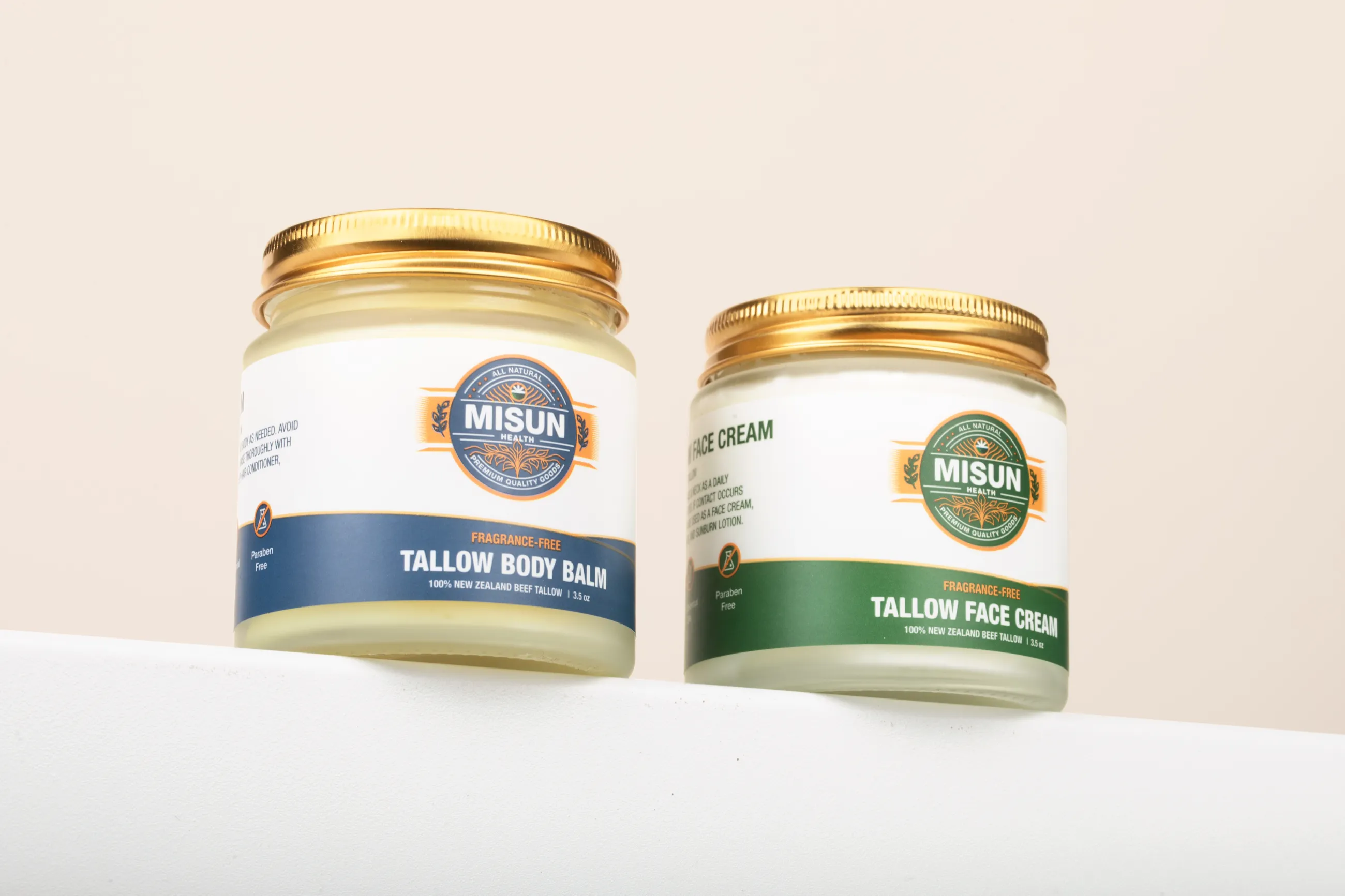 Misun Health
Common Questions
Can beef tallow help dry feet, not just cracked heels?
Yes. Many people use it on the heel, outer foot edge, ball of the foot, and scratchy sole patches, not only on visible cracks. It tends to work best when you keep the richer layer targeted to the driest zones instead of coating the entire foot heavily every time.
Can I put beef tallow directly on my feet every night?
Usually yes, especially during a short repair phase when heels feel rough, tight, or close to splitting. Many people use it nightly for one to two weeks, then step down once the heel rim feels softer and less brittle.
Where exactly should beef tallow go on dry feet?
Usually on the heel rim, back edge, outer sidewall, ball of the foot, and rough sole patches that feel chalky or catch on fabric. If the top of the foot is only lightly dry, a lighter cream texture often feels more practical there than heavy balm everywhere.
Is beef tallow good for feet that feel rough but are not deeply cracked yet?
Usually yes. It can be a practical early step for feet that feel dry, tight, or snaggy before they become deeper cracks, especially when you focus on the heel rim and rough sole patches after washing and overnight.
Is balm or whipped tallow better for cracked heels?
Balm is usually the better choice for cracked heels because it wears longer on thick skin and high-friction areas. Whipped tallow cream can still help the top of the foot or lighter dryness, but many people prefer balm for the heel rim, back edge, and rough sole patches.
Should I wear socks after applying beef tallow to my heels?
Usually yes, especially at night. Socks help keep the product on the heel instead of your sheets and make the overnight repair step much more consistent. Breathable socks are usually the most comfortable option.
Is beef tallow good for cracked heels or feet that catch on socks?
It can be a practical comfort step when the problem is dry, rough, high-friction heel skin. It is most helpful when you use it consistently on the heel rim and back edge after showers and overnight, rather than relying on occasional daytime swipes.
How long does it take for cracked heels or dry feet to feel softer?
Many people notice less tightness and less sock-catching within several consistent nights. More visible softening of rough heel edges often takes one to two weeks of steady overnight use, especially when the richer layer stays focused on the cracked zones.
When should I stop trying to treat cracked heels at home?
If the cracks are deep, painful, bleeding, inflamed, or not improving after a consistent gentle routine, it makes sense to get professional care instead of continuing home experiments. Supportive skincare is for comfort and maintenance, not for significant fissures or signs of infection.
Build your routine
 Buy on Amazon
Related guides
More transactional pages
Explore similar transactional concerns or jump to the closest concern hub.
- Fragrance-Free Moisturizer for Retinol-Adjusting Dry Skin
- Beef Tallow for Hands: Dry, Cracked, and Overwashed Hand Care
- Beef Tallow for Itchy Winter Skin
- Beef Tallow for Chafing: Before-Activity Glide and After-Friction Recovery
Related concern pages
Educational content only. This page is not medical advice and is not intended to diagnose, treat, cure, or prevent disease. If symptoms persist or worsen, consult a licensed clinician.