High-intent hand care routine
11 min read
Beef Tallow for Hands: Dry, Cracked, and Overwashed Hand Care
Hands dry out fast from repeated washing, sanitizer-heavy shifts, cold air, dish soap, and constant friction from daily work. A useful tallow routine gets more specific: how to make it behave more like a hand cream in the day, when to spot-treat cracked seams instead, and how to split lighter workday coverage from richer overnight repair on knuckles, cuticles, fingertips, and split-prone sidewalls.
Explore how to use beef tallow for hands with practical guidance for dry, cracked, and overwashed hands, including hand-cream feel, soap- and sanitizer-heavy routines, wash-after-wash reapplication, fingertip crack support, and overnight repair.
Quick summary
- Hands dry out fast from repeated washing, sanitizer-heavy shifts, cold air, dish soap, and constant friction from daily work. A useful tallow routine gets more specific: how to make it behave more like a hand cream in the day, when to spot-treat cracked seams instead, and how to split lighter workday coverage from richer overnight repair on knuckles, cuticles, fingertips, and split-prone sidewalls.
- Why hands need a different routine than face or body: Hands get washed more often, dry faster after soap or sanitizer, and take constant friction from keyboards, steering wheels, gym equipment, paper, tools, gloves, and weather exposure. They also have multiple dry zones that behave differently. The backs of hands often look crepey first, while knuckles, cuticles, fingertip edges, and sidewalls near nails usually become rough, stingy, or split-prone first. A hand routine works better when you stop treating the whole hand like one single dry patch and start matching product density to the zone that is actually struggling.
- What makes beef tallow useful for dry hands, and where it is not the whole answer: Beef tallow tends to help most when the problem is repeated tightness, roughness after washing, weather-beaten skin, or hands that never feel comfortable long enough to recover. It usually works as a richer comfort-and-seal step, not a miracle cure. If the main issue is harsh soap, sanitizer, cleaning chemicals, or glove sweat, tallow can support the routine but it still helps to reduce the trigger when possible. If the skin is deeply fissured, bleeding, or looking infected, supportive skincare is no longer the whole plan. The point is not to smear on a lot of product and hope. It is to use the right amount in the right places often enough that hands spend more of the day protected instead of repeatedly drying back out.
Why people choose this approach
- Hands get washed more often, dry faster after soap or sanitizer, and take constant friction from keyboards, steering wheels, gym equipment, paper, tools, gloves, and weather exposure. They also have multiple dry zones that behave differently. The backs of hands often look crepey first, while knuckles, cuticles, fingertip edges, and sidewalls near nails usually become rough, stingy, or split-prone first. A hand routine works better when you stop treating the whole hand like one single dry patch and start matching product density to the zone that is actually struggling.
- Beef tallow tends to help most when the problem is repeated tightness, roughness after washing, weather-beaten skin, or hands that never feel comfortable long enough to recover. It usually works as a richer comfort-and-seal step, not a miracle cure. If the main issue is harsh soap, sanitizer, cleaning chemicals, or glove sweat, tallow can support the routine but it still helps to reduce the trigger when possible. If the skin is deeply fissured, bleeding, or looking infected, supportive skincare is no longer the whole plan. The point is not to smear on a lot of product and hope. It is to use the right amount in the right places often enough that hands spend more of the day protected instead of repeatedly drying back out.
Keep in mind
- Patch test first and increase use gradually based on comfort.
- Skincare supports moisture and comfort but is not a cure for medical conditions.
- If symptoms persist, worsen, or become painful, consult a licensed clinician.
Routine steps
Why hands need a different routine than face or body
Hands get washed more often, dry faster after soap or sanitizer, and take constant friction from keyboards, steering wheels, gym equipment, paper, tools, gloves, and weather exposure. They also have multiple dry zones that behave differently. The backs of hands often look crepey first, while knuckles, cuticles, fingertip edges, and sidewalls near nails usually become rough, stingy, or split-prone first. A hand routine works better when you stop treating the whole hand like one single dry patch and start matching product density to the zone that is actually struggling.
Daytime routine for hand-cream feel without greasy palms
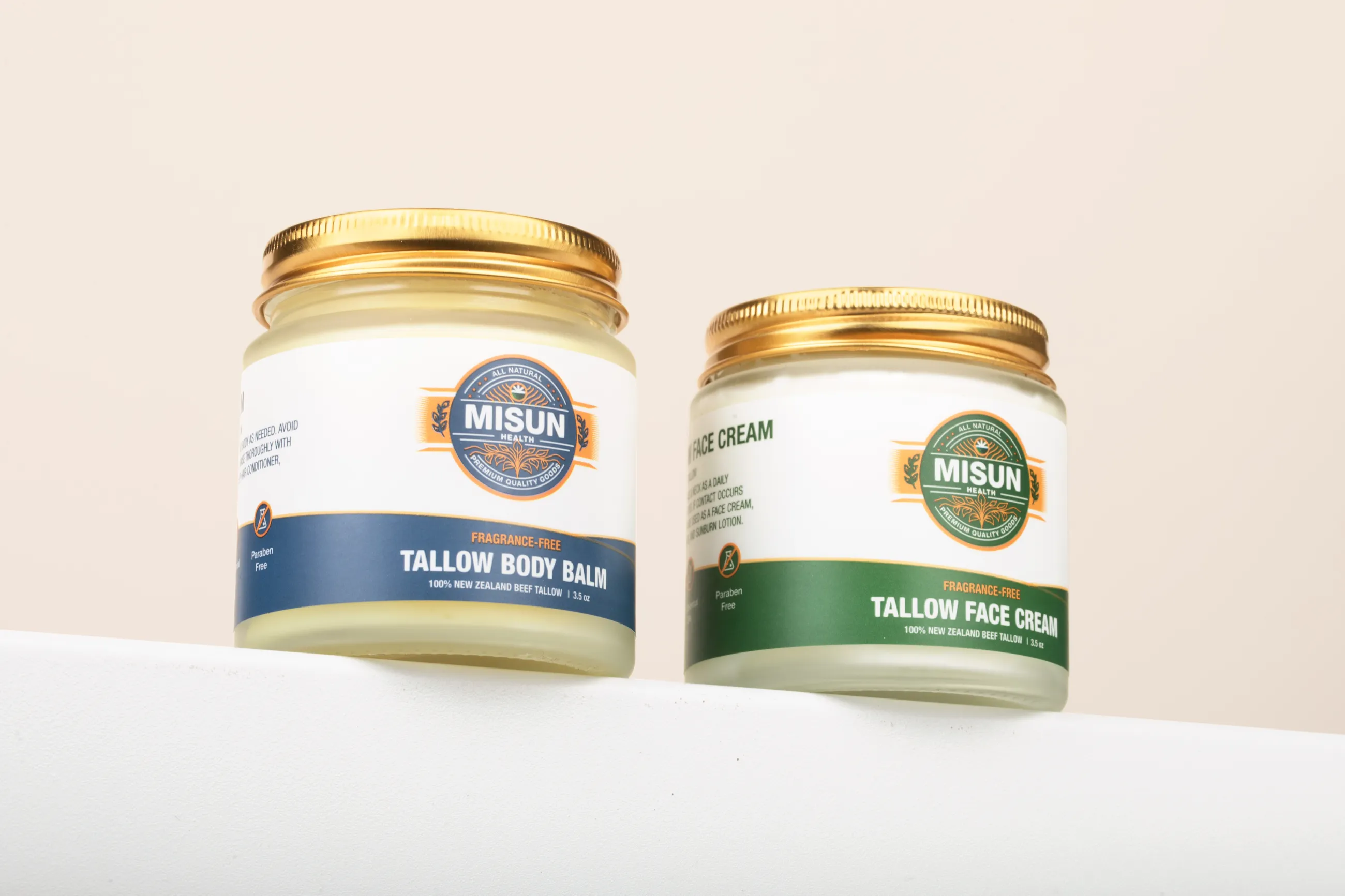
During the day, think thin, targeted, and repeatable. After washing, dry fully, then use a small amount of whipped tallow cream first on the backs of hands where dryness shows quickly but heavy residue feels annoying. Whatever remains can be pressed over knuckles and around cuticle lines. If fingertips or sidewalls feel rough from typing, cleaning, or frequent contact with soap, add a pinpoint amount of balm only there instead of coating the entire hand. If you want a hand-cream feel rather than an ointment feel, keep product off the center of the palms and focus on the driest zones. This split approach usually feels more practical than one heavy all-over layer, especially if you need to get back to a keyboard, phone, steering wheel, or child care routine right away.
Best routine for overwashed hands from soap or sanitizer-heavy days
If your hands are drying out from healthcare shifts, parenting, food prep, cleaning work, or repeated sanitizer use, the main goal is consistency after the most damaging wash cycles, not one thick layer at random. Let sanitizer dry fully first, then use a rice-grain amount of whipped cream over the backs of hands and a pinpoint amount of balm only on knuckles, cuticles, fingertip edges, or finger webs that keep getting raw. On heavier days, reapply after the washes or sanitizer rounds that leave your skin feeling tight rather than after every single cleanse if that makes the routine too annoying to sustain. Then use a richer bedtime reset so the routine stays practical on heavy-wash days instead of turning into an all-or-nothing hand-care plan.
Wash-after-wash reapplication logic for soap, sanitizer, gloves, and dishwater
Do not wait until hands feel painfully tight again. On normal days, many people do well with a thin post-wash application after the most drying wash cycles plus a bedtime reset. On heavier days, such as repeated sanitizer use, dishwashing, cold outdoor exposure, long glove wear, or lots of paper and keyboard friction, use small repeat applications after cleansing and keep them targeted. If your palms feel too coated, skip the palms and reapply only to the backs of hands, knuckles, and finger edges. Frequent tiny applications usually outperform one thick layer that you hate wearing, because the winning routine is the one you will actually repeat after the sink instead of only remembering at bedtime.
A simple reset routine for hands that stay dry no matter how much you apply
When people say their hands are still dry even after using tallow, the problem is usually one of three things: not enough daytime repetition, too much product in the wrong places, or trying to fix every zone with one single texture. A better reset is to use whipped cream after the wash cycles that cause the most tightness, then keep balm only on the seams that crack, sting, or snag. For three to five days, pay attention to whether the backs of hands feel better by midday, whether knuckles stop looking papery, and whether fingertip edges reopen less often. If the answer is yes, the routine is working and just needs consistency. If everything still feels raw, deeply split, or harder to use after several days, the issue may be more than ordinary dry skin and a heavier skincare layer alone may not be enough.
How to make beef tallow feel more like a hand cream, not a greasy hand mask
A lot of hand-care searches are really asking a texture question: can this work like a hand cream, or will it feel too heavy to use more than once? The easiest way to make tallow practical is to change amount and placement, not to abandon it after one overly thick application. Warm a very small amount between fingers first, then spread it mainly over the backs of hands, around the thumbs, and over rough knuckles. Stop before the palms feel coated. If you need something during the workday, think hand-cream behavior, not slugging behavior. A thin whipped layer can make sense after washing, before driving, or before a cold outdoor errand, while heavier balm belongs on fingertip splits, cuticle rims, and cracked sidewalls that need more cling than elegance.
When dry or cracked hands need a richer overnight reset
Night is the time to use more product and less restraint. If your hands still feel rough by late afternoon, move the richer repair work to bedtime instead of forcing daytime layers to do everything. Apply whipped cream lightly over the backs of hands, then spot-apply balm to knuckles, cuticles, fingertip edges, and sidewalls that stay cracked or catch on fabric. Cotton gloves can help for 30 to 60 minutes or overnight if the product rubs off too quickly, especially when the goal is to soften brittle skin rather than keep a perfect daytime finish. This is usually the better place to test a thicker layer because shine, transfer, and grip matter less while you sleep.
How to tell whether beef tallow is actually helping your hands
A realistic hand timeline is usually measured in days, not one application. Useful progress signs include less tightness after washing, fewer moments where knuckles feel papery or sore, less snagging around cuticles and fingertip edges, and a lower urge to reapply every hour. Many people notice better morning softness within several days of consistent use. Rough knuckles, ragged cuticles, and fingertip dryness often need one to two weeks of steady day-plus-night use before they look meaningfully calmer. If hands stay greasy, the answer is usually less product or a lighter daytime texture. If they keep getting more painful, develop repeated deep splits, ooze, swell, or fail to improve after a consistent gentle routine, it is reasonable to step away from DIY experiments and get professional guidance.
Why hands need a different routine than face or body
Hands get washed more often, dry faster after soap or sanitizer, and take constant friction from keyboards, steering wheels, gym equipment, paper, tools, gloves, and weather exposure. They also have multiple dry zones that behave differently. The backs of hands often look crepey first, while knuckles, cuticles, fingertip edges, and sidewalls near nails usually become rough, stingy, or split-prone first. A hand routine works better when you stop treating the whole hand like one single dry patch and start matching product density to the zone that is actually struggling.
What makes beef tallow useful for dry hands, and where it is not the whole answer
Beef tallow tends to help most when the problem is repeated tightness, roughness after washing, weather-beaten skin, or hands that never feel comfortable long enough to recover. It usually works as a richer comfort-and-seal step, not a miracle cure. If the main issue is harsh soap, sanitizer, cleaning chemicals, or glove sweat, tallow can support the routine but it still helps to reduce the trigger when possible. If the skin is deeply fissured, bleeding, or looking infected, supportive skincare is no longer the whole plan. The point is not to smear on a lot of product and hope. It is to use the right amount in the right places often enough that hands spend more of the day protected instead of repeatedly drying back out.
Daytime routine for hand-cream feel without greasy palms
During the day, think thin, targeted, and repeatable. After washing, dry fully, then use a small amount of whipped tallow cream first on the backs of hands where dryness shows quickly but heavy residue feels annoying. Whatever remains can be pressed over knuckles and around cuticle lines. If fingertips or sidewalls feel rough from typing, cleaning, or frequent contact with soap, add a pinpoint amount of balm only there instead of coating the entire hand. If you want a hand-cream feel rather than an ointment feel, keep product off the center of the palms and focus on the driest zones. This split approach usually feels more practical than one heavy all-over layer, especially if you need to get back to a keyboard, phone, steering wheel, or child care routine right away.
If you are really searching for a beef tallow hand cream, here is the practical answer
A lot of people are not asking whether tallow can technically go on hands. They are asking whether it can replace the role of a hand cream they will actually use after the sink. In practice, beef tallow works best as a hand-cream substitute when you choose the lighter whipped texture for broad daytime dryness and reserve the denser balm for cracks, sidewalls, and cuticles. If you treat every hand-care moment like an overnight ointment routine, you usually quit. If you use whipped tallow cream the way you would use a rich hand cream, small amount, mostly on the backs of hands and over rough knuckles, it becomes much easier to maintain on workdays. The exact search-intent answer is yes, beef tallow can work like a hand cream, but only when the routine is built around repeatable daytime use instead of maximum heaviness.
Best routine for overwashed hands from soap or sanitizer-heavy days
If your hands are drying out from healthcare shifts, parenting, food prep, cleaning work, or repeated sanitizer use, the main goal is consistency after the most damaging wash cycles, not one thick layer at random. Let sanitizer dry fully first, then use a rice-grain amount of whipped cream over the backs of hands and a pinpoint amount of balm only on knuckles, cuticles, fingertip edges, or finger webs that keep getting raw. On heavier days, reapply after the washes or sanitizer rounds that leave your skin feeling tight rather than after every single cleanse if that makes the routine too annoying to sustain. Then use a richer bedtime reset so the routine stays practical on heavy-wash days instead of turning into an all-or-nothing hand-care plan.
Zone-by-zone placement: backs of hands vs knuckles, cuticles, fingertips, and cracked edges
Use whipped cream where you want easier spread and less drag: usually the backs of hands, around the thumbs, and any larger dry area that feels tight but not deeply cracked. Use balm where staying power matters more than elegance: knuckles, cuticle rims, finger webs, fingertip pads, and split-prone edges near nails. If only one or two seams keep catching on towels or stinging after sanitizer, press product directly into those spots and leave the rest of the hand lighter. That usually gives better comfort than upgrading the entire routine to a greasy all-over hand mask.
Wash-after-wash reapplication logic for soap, sanitizer, gloves, and dishwater
Do not wait until hands feel painfully tight again. On normal days, many people do well with a thin post-wash application after the most drying wash cycles plus a bedtime reset. On heavier days, such as repeated sanitizer use, dishwashing, cold outdoor exposure, long glove wear, or lots of paper and keyboard friction, use small repeat applications after cleansing and keep them targeted. If your palms feel too coated, skip the palms and reapply only to the backs of hands, knuckles, and finger edges. Frequent tiny applications usually outperform one thick layer that you hate wearing, because the winning routine is the one you will actually repeat after the sink instead of only remembering at bedtime.
A simple reset routine for hands that stay dry no matter how much you apply
When people say their hands are still dry even after using tallow, the problem is usually one of three things: not enough daytime repetition, too much product in the wrong places, or trying to fix every zone with one single texture. A better reset is to use whipped cream after the wash cycles that cause the most tightness, then keep balm only on the seams that crack, sting, or snag. For three to five days, pay attention to whether the backs of hands feel better by midday, whether knuckles stop looking papery, and whether fingertip edges reopen less often. If the answer is yes, the routine is working and just needs consistency. If everything still feels raw, deeply split, or harder to use after several days, the issue may be more than ordinary dry skin and a heavier skincare layer alone may not be enough.
How to make beef tallow feel more like a hand cream, not a greasy hand mask
A lot of hand-care searches are really asking a texture question: can this work like a hand cream, or will it feel too heavy to use more than once? The easiest way to make tallow practical is to change amount and placement, not to abandon it after one overly thick application. Warm a very small amount between fingers first, then spread it mainly over the backs of hands, around the thumbs, and over rough knuckles. Stop before the palms feel coated. If you need something during the workday, think hand-cream behavior, not slugging behavior. A thin whipped layer can make sense after washing, before driving, or before a cold outdoor errand, while heavier balm belongs on fingertip splits, cuticle rims, and cracked sidewalls that need more cling than elegance.
What to do when cracked fingertips, sidewalls, or knuckles keep reopening
Cracked hands often fail because the driest seam gets treated the same as the rest of the hand. If one knuckle, fingertip pad, or sidewall keeps reopening, use a two-speed routine. Keep the rest of the hand lighter so you will still reapply after washing, then press a denser balm layer only into the split-prone spot after your last evening wash and again before bed if needed. If dish soap, sanitizer, gym grips, paper handling, or cold air keeps hitting the same area, that concentrated spot usually needs more frequent targeted support than the rest of the hand. This is also where cotton gloves for part of the evening can help, because the goal is not a perfect glossy finish. The goal is giving the crack-prone seam enough protected hours to soften instead of drying back out every time you move your hands.
When dry or cracked hands need a richer overnight reset
Night is the time to use more product and less restraint. If your hands still feel rough by late afternoon, move the richer repair work to bedtime instead of forcing daytime layers to do everything. Apply whipped cream lightly over the backs of hands, then spot-apply balm to knuckles, cuticles, fingertip edges, and sidewalls that stay cracked or catch on fabric. Cotton gloves can help for 30 to 60 minutes or overnight if the product rubs off too quickly, especially when the goal is to soften brittle skin rather than keep a perfect daytime finish. This is usually the better place to test a thicker layer because shine, transfer, and grip matter less while you sleep.
How to tell whether beef tallow is actually helping your hands
A realistic hand timeline is usually measured in days, not one application. Useful progress signs include less tightness after washing, fewer moments where knuckles feel papery or sore, less snagging around cuticles and fingertip edges, and a lower urge to reapply every hour. Many people notice better morning softness within several days of consistent use. Rough knuckles, ragged cuticles, and fingertip dryness often need one to two weeks of steady day-plus-night use before they look meaningfully calmer. If hands stay greasy, the answer is usually less product or a lighter daytime texture. If they keep getting more painful, develop repeated deep splits, ooze, swell, or fail to improve after a consistent gentle routine, it is reasonable to step away from DIY experiments and get professional guidance.
 Misun Health
Common Questions
Is beef tallow good for dry hands?
It can be, especially when your hands feel tight, overwashed, weather-chapped, or rough around knuckles and cuticles. The main benefit usually comes from a richer protective feel and consistent targeted reapplication, not from using a huge amount once.
Can beef tallow work like a hand cream?
Yes, if you keep the daytime amount small and place it strategically. Whipped tallow cream usually works best when you want a lighter hand-cream feel on the backs of hands, while balm is better for fingertip cracks, cuticles, and stubborn rough edges.
Is beef tallow a good hand cream for dry hands?
It can be, especially if your main problem is tightness after washing, rough knuckles, or hand dryness that comes back quickly in cold air or after sanitizer. The most practical setup is usually whipped tallow cream for broad daytime dryness and balm only on cracked seams or fingertip edges that need more staying power.
Is beef tallow good for cracked hands or fingertip splits?
It can help, especially when the cracks come from repeated washing, cold air, cleaning work, or chronic roughness around knuckles and fingertip edges. The usual winning move is not a thick all-over layer. It is a lighter daytime hand-cream approach for the broader hand plus a denser spot treatment on the seams that keep reopening.
How often should I use beef tallow on my hands?
Start with a thin application after the most drying wash cycles and again before bed. If your hands are heavily overwashed, sanitizer-dried, or exposed to cold air and cleaning tasks, use tiny repeat applications through the day rather than one heavy coat that feels annoying.
Is whipped tallow or balm better for hands?
For most people, whipped tallow cream is the better all-over daytime option because it spreads faster and feels lighter on the backs of hands. Balm is usually better as a spot treatment for knuckles, cuticles, fingertip cracks, and other stubborn rough zones that need more staying power.
How soon do hands usually look or feel better?
Many people notice less tightness and less post-wash discomfort within a few consistent days. More stubborn roughness such as cracked knuckles, dry cuticles, and fingertip edges usually improves more gradually over one to two weeks of steady day-and-night use.
Why do my hands still feel dry even when I apply tallow?
Usually because the routine is too infrequent, too heavy to repeat, or not targeted to the driest zones. Hands often do better with small post-wash applications on the backs of hands and rough seams, then a richer overnight reset on knuckles, fingertip edges, and cuticles instead of one thick coat once a day.
Is beef tallow good for hands that dry out from sanitizer and constant washing?
It can be a useful comfort-and-seal step, especially when you let sanitizer dry first, use a light whipped layer on the backs of hands, and reserve balm for the places that keep cracking. The main improvement usually comes from a repeatable after-wash routine, not from one thick application at the end of the day.
Can beef tallow help overwashed hands from soap or sanitizer?
It can be a practical way to support comfort after repeated cleansing, especially when you keep application small and consistent. The main win usually comes from restoring a more protective feel after washing, not from using a huge amount all at once.
When should I stop self-treating dry hands at home?
If you are getting repeated deep splits, worsening pain, swelling, oozing, or no meaningful improvement after a consistent gentle routine, it makes sense to get professional advice instead of continuing to cycle through heavier products.
Build your routine
 Buy on Amazon
 Buy on Amazon
Related guides
More transactional pages
Explore similar transactional concerns or jump to the closest concern hub.
- Fragrance-Free Moisturizer for Retinol-Adjusting Dry Skin
- Beef Tallow for Cracked Heels, Dry Feet, and Rough Soles
- Beef Tallow for Itchy Winter Skin
- Beef Tallow for Chafing: Before-Activity Glide and After-Friction Recovery
Related concern pages
Educational content only. This page is not medical advice and is not intended to diagnose, treat, cure, or prevent disease. If symptoms persist or worsen, consult a licensed clinician.