High-intent nail, cuticle, and hand-edge routine
9 min read
Is Beef Tallow Good for Nails? Cuticle, Nail Edge, and Hand Sidewall Routine
Yes, beef tallow can be useful around nails when the real problem is dry cuticles, rough nail folds, hangnail-prone edges, or skin that keeps splitting after washing. The key is knowing what it can actually help: the skin around the nail and the way rough edges feel. It will not instantly strengthen the nail plate itself, but tiny targeted layers can make the whole nail area feel less dry, less snaggy, and easier to maintain.
A practical beef tallow routine for nails, cuticles, nail edges, and dry hand sidewalls, including what tallow can and cannot do for the nail plate.
Quick summary
- Yes, beef tallow can be useful around nails when the real problem is dry cuticles, rough nail folds, hangnail-prone edges, or skin that keeps splitting after washing. The key is knowing what it can actually help: the skin around the nail and the way rough edges feel. It will not instantly strengthen the nail plate itself, but tiny targeted layers can make the whole nail area feel less dry, less snaggy, and easier to maintain.
- Why nails and cuticle edges get rough before the rest of the hand: The skin around nails is thinner, gets flexed constantly, and takes direct hits from soap, sanitizer, dishwater, and weather. That makes it one of the first places to feel papery, snag on fabric, or split into little hangnail-like tears even when the rest of the hand only feels mildly dry. If your search is really about whether beef tallow is good for nails, the useful answer is that it is usually being used on the skin around the nail plate, not to change the nail itself overnight.
- Is beef tallow good for nails, or mainly for cuticles?: Beef tallow is best thought of as nail-area care, not a nail-growth treatment. It can soften the dry skin around the nail, reduce that tight feeling after washing, and make rough sidewalls less likely to catch. It may also make the nail surface look less dry for a while because a tiny amount adds a soft sheen. But if the nail plate is peeling from repeated polish removal, splitting from trauma, or changing shape or color, tallow is not fixing the root issue. The practical use case is cuticle and edge comfort: nail folds, fingertip rims, hangnail-prone corners, and the sidewalls that keep feeling sharp.
Why people choose this approach
- The skin around nails is thinner, gets flexed constantly, and takes direct hits from soap, sanitizer, dishwater, and weather. That makes it one of the first places to feel papery, snag on fabric, or split into little hangnail-like tears even when the rest of the hand only feels mildly dry. If your search is really about whether beef tallow is good for nails, the useful answer is that it is usually being used on the skin around the nail plate, not to change the nail itself overnight.
- Beef tallow is best thought of as nail-area care, not a nail-growth treatment. It can soften the dry skin around the nail, reduce that tight feeling after washing, and make rough sidewalls less likely to catch. It may also make the nail surface look less dry for a while because a tiny amount adds a soft sheen. But if the nail plate is peeling from repeated polish removal, splitting from trauma, or changing shape or color, tallow is not fixing the root issue. The practical use case is cuticle and edge comfort: nail folds, fingertip rims, hangnail-prone corners, and the sidewalls that keep feeling sharp.
Keep in mind
- Patch test first and increase use gradually based on comfort.
- Skincare supports moisture and comfort but is not a cure for medical conditions.
- If symptoms persist, worsen, or become painful, consult a licensed clinician.
Routine steps
Why nails and cuticle edges get rough before the rest of the hand
The skin around nails is thinner, gets flexed constantly, and takes direct hits from soap, sanitizer, dishwater, and weather. That makes it one of the first places to feel papery, snag on fabric, or split into little hangnail-like tears even when the rest of the hand only feels mildly dry. If your search is really about whether beef tallow is good for nails, the useful answer is that it is usually being used on the skin around the nail plate, not to change the nail itself overnight.
Fast daytime routine after washing or sanitizing
After washing, dry hands thoroughly, especially around the nail folds, then press in a rice-grain amount of product per hand instead of smearing a heavy layer everywhere. Start at the cuticles, sidewalls, and the little skin ledges that catch on clothing, then use whatever is left over across the knuckles. If sanitizer or repeated washing is the main trigger, this small-step reset matters more than one heavy bedtime application because the skin usually breaks down from repetition, not from a single dramatic dry moment.
Best routine after acetone, polish changes, or hand-heavy work
When nails and surrounding skin feel stripped after polish remover, garage work, gardening, or repeated dishwashing, switch from a quick touch-up to a short recovery window. Massage a slightly richer layer around each nail, fingertip edge, and thumb pad, then leave it alone for a few minutes before going back to tasks. At night, a balm layer works better on thumb cracks, sidewall splits, and rough fingertip rims than trying to force a light cream to do the same job. Cotton gloves are optional, but they can help if you keep rubbing product off on sheets.
How to tell if you need cream, balm, or both
Use whipped cream when the goal is frequent daytime comfort and easier reapplication without feeling greasy on your keyboard, steering wheel, or phone. Use balm when the problem is focused and stubborn: hangnail-prone corners, rough cuticle rings, painful fingertip rims, or skin that splits again by the next hand wash. A split routine is usually the sweet spot: lighter layers during the day, denser spot treatment at night. That approach answers more of the real `tallow for nails` intent than a single vague all-day recommendation.
When nail dryness is really a hand-care routine problem
A lot of nail-area dryness is not really about nails. It is the same hand-care problem repeating in a smaller, more annoying place: soap strips the edge, sanitizer stings the sidewall, acetone dries the fold, then a small crack catches and gets pulled. That is why the best routine is usually boring and frequent. Keep the product near the sink, use tiny amounts after the washes that matter most, and add a richer bedtime pass only to the fingers that keep splitting. A targeted routine beats coating every nail heavily once and then doing nothing through the next ten hand washes.
When rough cuticles need more than routine care
If the area is swollen, hot, draining, bleeding repeatedly, or becoming more painful instead of less comfortable, stop treating it like ordinary dryness and get medical advice. The same applies when you keep pulling hangnails, using aggressive cuticle tools, or reacting badly to fragranced hand products. Supportive skincare can help a lot, but it should not be used to ignore possible infection or persistent inflammation around the nail folds.
Why nails and cuticle edges get rough before the rest of the hand
The skin around nails is thinner, gets flexed constantly, and takes direct hits from soap, sanitizer, dishwater, and weather. That makes it one of the first places to feel papery, snag on fabric, or split into little hangnail-like tears even when the rest of the hand only feels mildly dry. If your search is really about whether beef tallow is good for nails, the useful answer is that it is usually being used on the skin around the nail plate, not to change the nail itself overnight.
Is beef tallow good for nails, or mainly for cuticles?
Beef tallow is best thought of as nail-area care, not a nail-growth treatment. It can soften the dry skin around the nail, reduce that tight feeling after washing, and make rough sidewalls less likely to catch. It may also make the nail surface look less dry for a while because a tiny amount adds a soft sheen. But if the nail plate is peeling from repeated polish removal, splitting from trauma, or changing shape or color, tallow is not fixing the root issue. The practical use case is cuticle and edge comfort: nail folds, fingertip rims, hangnail-prone corners, and the sidewalls that keep feeling sharp.
What beef tallow helps most and what it does not
Beef tallow is most useful when you want more comfort, less drag, and better sealing around dry cuticles and nail sidewalls. A whipped cream can work for lighter daytime upkeep, while a balm makes more sense when cracks keep reopening at the corners or fingertip rims. What it will not do is instantly repair a deep split, replace trimming a true hangnail carefully, or solve redness and swelling that looks infected. Think barrier support first, not magic nail treatment second.
Fast daytime routine after washing or sanitizing
After washing, dry hands thoroughly, especially around the nail folds, then press in a rice-grain amount of product per hand instead of smearing a heavy layer everywhere. Start at the cuticles, sidewalls, and the little skin ledges that catch on clothing, then use whatever is left over across the knuckles. If sanitizer or repeated washing is the main trigger, this small-step reset matters more than one heavy bedtime application because the skin usually breaks down from repetition, not from a single dramatic dry moment.
Best routine after acetone, polish changes, or hand-heavy work
When nails and surrounding skin feel stripped after polish remover, garage work, gardening, or repeated dishwashing, switch from a quick touch-up to a short recovery window. Massage a slightly richer layer around each nail, fingertip edge, and thumb pad, then leave it alone for a few minutes before going back to tasks. At night, a balm layer works better on thumb cracks, sidewall splits, and rough fingertip rims than trying to force a light cream to do the same job. Cotton gloves are optional, but they can help if you keep rubbing product off on sheets.
Cuticle oil vs beef tallow around nails
Cuticle oil usually wins when you want a very light, glossy, quick-spreading nail-area step. Beef tallow makes more sense when the surrounding skin feels drier, rougher, or more exposed to handwashing and you want a richer comfort layer. You do not need both every time. If your cuticles only look a little dull, a tiny oil may be enough. If the skin around the nail feels tight, catches on fabric, or keeps splitting at the sidewall, a small amount of tallow balm or whipped cream can be more useful because it stays present longer. The mistake is treating either product like a cure-all instead of matching it to the problem.
How to tell if you need cream, balm, or both
Use whipped cream when the goal is frequent daytime comfort and easier reapplication without feeling greasy on your keyboard, steering wheel, or phone. Use balm when the problem is focused and stubborn: hangnail-prone corners, rough cuticle rings, painful fingertip rims, or skin that splits again by the next hand wash. A split routine is usually the sweet spot: lighter layers during the day, denser spot treatment at night. That approach answers more of the real `tallow for nails` intent than a single vague all-day recommendation.
When nail dryness is really a hand-care routine problem
A lot of nail-area dryness is not really about nails. It is the same hand-care problem repeating in a smaller, more annoying place: soap strips the edge, sanitizer stings the sidewall, acetone dries the fold, then a small crack catches and gets pulled. That is why the best routine is usually boring and frequent. Keep the product near the sink, use tiny amounts after the washes that matter most, and add a richer bedtime pass only to the fingers that keep splitting. A targeted routine beats coating every nail heavily once and then doing nothing through the next ten hand washes.
When rough cuticles need more than routine care
If the area is swollen, hot, draining, bleeding repeatedly, or becoming more painful instead of less comfortable, stop treating it like ordinary dryness and get medical advice. The same applies when you keep pulling hangnails, using aggressive cuticle tools, or reacting badly to fragranced hand products. Supportive skincare can help a lot, but it should not be used to ignore possible infection or persistent inflammation around the nail folds.
 Misun Health
Common Questions
Is beef tallow good for nails?
It is usually better for the dry skin around the nails than for changing the nail plate itself. Beef tallow can help cuticles, sidewalls, and fingertip edges feel less rough, tight, or split-prone, but it should not be treated like a nail-strengthening treatment.
Can I put beef tallow on my nail plate?
A tiny amount on the nail plate is usually fine if you are already applying it around the cuticle, but the main benefit is still for the surrounding skin. Wipe away excess so nails do not feel greasy or slippery.
Can I use beef tallow on cuticles after every hand wash?
Yes, as long as you keep the amount small. Frequent tiny applications around nail folds and dry edges usually work better than occasional thick layers that feel messy and get wiped off right away.
Should I use whipped tallow cream or balm for rough cuticles?
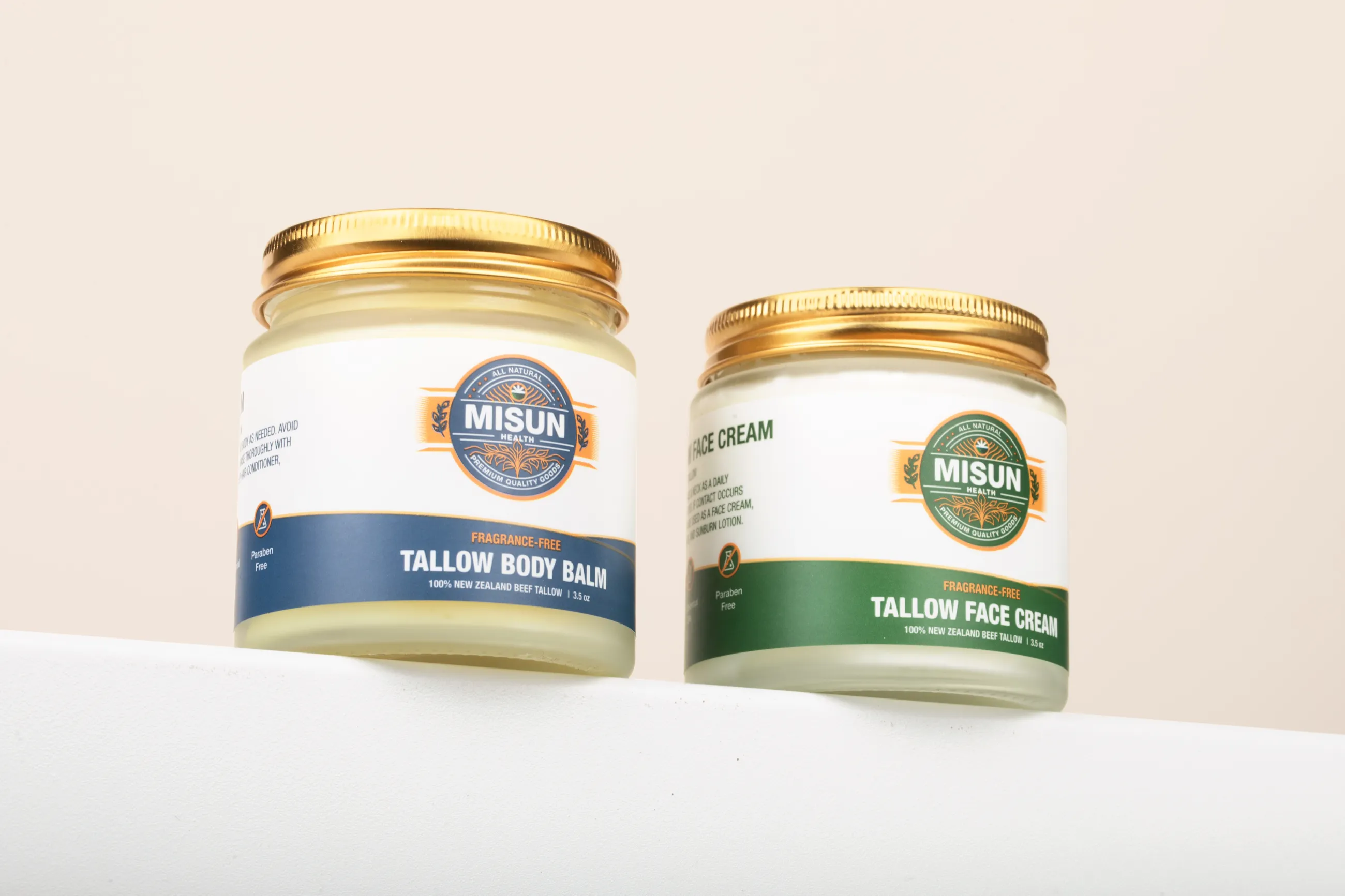
Whipped cream is usually better for daytime upkeep and quick reapplication, while balm is better for hangnail-prone corners, fingertip cracks, and rough sidewalls that need more staying power overnight.
Can I use this after nail polish remover or acetone?
Yes. That is one of the more practical times to use it, especially when the surrounding skin feels stripped and catches easily. Let nails and skin settle, use a small amount around the edges, and patch test first if your skin is reactive.
Is beef tallow better than cuticle oil?
Not always. Cuticle oil is lighter and glossier, while beef tallow is richer and often more useful when the surrounding skin feels dry, rough, or split-prone from washing, sanitizer, weather, or acetone.
Build your routine
 Buy on Amazon
 Buy on Amazon
Related guides
More transactional pages
Explore similar transactional concerns or jump to the closest concern hub.
- Fragrance-Free Moisturizer for Retinol-Adjusting Dry Skin
- Beef Tallow for Hands: Dry, Cracked, and Overwashed Hand Care
- Beef Tallow for Cracked Heels, Dry Feet, and Rough Soles
- Beef Tallow for Itchy Winter Skin
Related concern pages
Educational content only. This page is not medical advice and is not intended to diagnose, treat, cure, or prevent disease. If symptoms persist or worsen, consult a licensed clinician.