Problem-solution + routine
8 min read
Beef Tallow for Elbow and Knee Rough Patches
Yes, beef tallow can make sense for rough elbows and knees when the real issue is thick-feeling, high-friction dry skin that keeps staying ashy or textured even after lotion. The useful move is not one random heavy coat. It is a lighter daytime layer for comfort plus a denser spot-sealing routine at night so rough knees and elbow patches stay moisturized long enough to actually soften.
Use beef tallow on rough elbows and knees with a clearer friction-aware routine for smoothing rough knees, dry elbow patches, and stubborn high-rub skin.
Quick summary
- Yes, beef tallow can make sense for rough elbows and knees when the real issue is thick-feeling, high-friction dry skin that keeps staying ashy or textured even after lotion. The useful move is not one random heavy coat. It is a lighter daytime layer for comfort plus a denser spot-sealing routine at night so rough knees and elbow patches stay moisturized long enough to actually soften.
- Why rough knees and elbows are harder to smooth than the rest of your body: Elbows and knees deal with constant bending, fabric friction, leaning, floor contact, and thicker outer skin, so they usually need more staying power than a light body lotion can provide. That is why these areas can still look gray, feel papery, or catch on clothing even when the rest of your arms and legs feel normal. If your search is really about rough knees, the practical answer is that success usually comes from longer contact time and more targeted product placement, not from using a giant amount everywhere at once.
- What beef tallow helps most here and where it may fall short: Beef tallow tends to fit best when the goal is softer-feeling surface texture, less tightness after bathing, and better sealing on small high-friction zones. A whipped cream can help if you want easier daytime wear under clothes, while a balm makes more sense when knee caps, elbow points, or the surrounding rims keep feeling extra rough by bedtime. What it will not do is instantly dissolve built-up thick skin overnight or replace stronger exfoliating care when texture is severe. Think of it as barrier support that helps rough patches stay comfortable long enough to improve gradually.
Why people choose this approach
- Elbows and knees deal with constant bending, fabric friction, leaning, floor contact, and thicker outer skin, so they usually need more staying power than a light body lotion can provide. That is why these areas can still look gray, feel papery, or catch on clothing even when the rest of your arms and legs feel normal. If your search is really about rough knees, the practical answer is that success usually comes from longer contact time and more targeted product placement, not from using a giant amount everywhere at once.
- Beef tallow tends to fit best when the goal is softer-feeling surface texture, less tightness after bathing, and better sealing on small high-friction zones. A whipped cream can help if you want easier daytime wear under clothes, while a balm makes more sense when knee caps, elbow points, or the surrounding rims keep feeling extra rough by bedtime. What it will not do is instantly dissolve built-up thick skin overnight or replace stronger exfoliating care when texture is severe. Think of it as barrier support that helps rough patches stay comfortable long enough to improve gradually.
Keep in mind
- Patch test first and increase use gradually based on comfort.
- Skincare supports moisture and comfort but is not a cure for medical conditions.
- If symptoms persist, worsen, or become painful, consult a licensed clinician.
Routine steps
Best daytime routine for dry elbow patches and rough knees
Apply a small layer right after showering or after dampening the area, then focus on the parts that actually rub: the point of the elbow, the front of the knee, and the ring of skin around each zone that tends to look dull first. Keep the daytime layer thin enough that clothing does not feel sticky, because a routine you can repeat is more useful than a rich layer you avoid. If the area gets ashy again by afternoon, reapply a tiny amount instead of waiting until the skin feels rough all over again.
Night routine when the texture feels stubborn or keeps coming back
Night is the better time for a richer pass. Use a denser balm on the roughest points after bathing, then leave it in place instead of rubbing it all the way dry. If your knees or elbows stay rough despite regular cream use, this is usually the missing step. Two consistent weeks of targeted night use is more realistic than expecting one heavy application to undo months of friction and dryness. If you already use a smoothing body product on other areas, keep the tallow-focused step for comfort and sealing rather than piling on too many active products at once.
How to tell if you need cream, balm, or a stronger rough-skin plan
Use cream when the area mainly feels dry, tight, or mildly rough and you want something easy to reapply. Use balm when the skin is thicker, duller, or repeatedly rough by the end of the day. If elbows or knees look flaky, sting, crack, or never improve at all, supportive moisture alone may not be enough and a stronger rough-skin routine may make more sense. That does not mean beef tallow is wrong, just that it works best as part of a realistic texture plan rather than as a magic fix for every thick patch.
Why rough knees and elbows are harder to smooth than the rest of your body
Elbows and knees deal with constant bending, fabric friction, leaning, floor contact, and thicker outer skin, so they usually need more staying power than a light body lotion can provide. That is why these areas can still look gray, feel papery, or catch on clothing even when the rest of your arms and legs feel normal. If your search is really about rough knees, the practical answer is that success usually comes from longer contact time and more targeted product placement, not from using a giant amount everywhere at once.
What beef tallow helps most here and where it may fall short
Beef tallow tends to fit best when the goal is softer-feeling surface texture, less tightness after bathing, and better sealing on small high-friction zones. A whipped cream can help if you want easier daytime wear under clothes, while a balm makes more sense when knee caps, elbow points, or the surrounding rims keep feeling extra rough by bedtime. What it will not do is instantly dissolve built-up thick skin overnight or replace stronger exfoliating care when texture is severe. Think of it as barrier support that helps rough patches stay comfortable long enough to improve gradually.
Best daytime routine for dry elbow patches and rough knees
Apply a small layer right after showering or after dampening the area, then focus on the parts that actually rub: the point of the elbow, the front of the knee, and the ring of skin around each zone that tends to look dull first. Keep the daytime layer thin enough that clothing does not feel sticky, because a routine you can repeat is more useful than a rich layer you avoid. If the area gets ashy again by afternoon, reapply a tiny amount instead of waiting until the skin feels rough all over again.
Night routine when the texture feels stubborn or keeps coming back
Night is the better time for a richer pass. Use a denser balm on the roughest points after bathing, then leave it in place instead of rubbing it all the way dry. If your knees or elbows stay rough despite regular cream use, this is usually the missing step. Two consistent weeks of targeted night use is more realistic than expecting one heavy application to undo months of friction and dryness. If you already use a smoothing body product on other areas, keep the tallow-focused step for comfort and sealing rather than piling on too many active products at once.
How to tell if you need cream, balm, or a stronger rough-skin plan
Use cream when the area mainly feels dry, tight, or mildly rough and you want something easy to reapply. Use balm when the skin is thicker, duller, or repeatedly rough by the end of the day. If elbows or knees look flaky, sting, crack, or never improve at all, supportive moisture alone may not be enough and a stronger rough-skin routine may make more sense. That does not mean beef tallow is wrong, just that it works best as part of a realistic texture plan rather than as a magic fix for every thick patch.
When rough patches need medical review instead of more product testing
Get medical advice if the area becomes painful, inflamed, bleeding, deeply cracked, rapidly darkening, or does not improve despite consistent care. The same is true if the roughness starts spreading, forms thick plaques, or seems more like eczema, psoriasis, or another persistent skin condition than ordinary friction dryness. Supportive skincare can help a lot, but it should not be used to ignore skin that is getting worse instead of smoother.
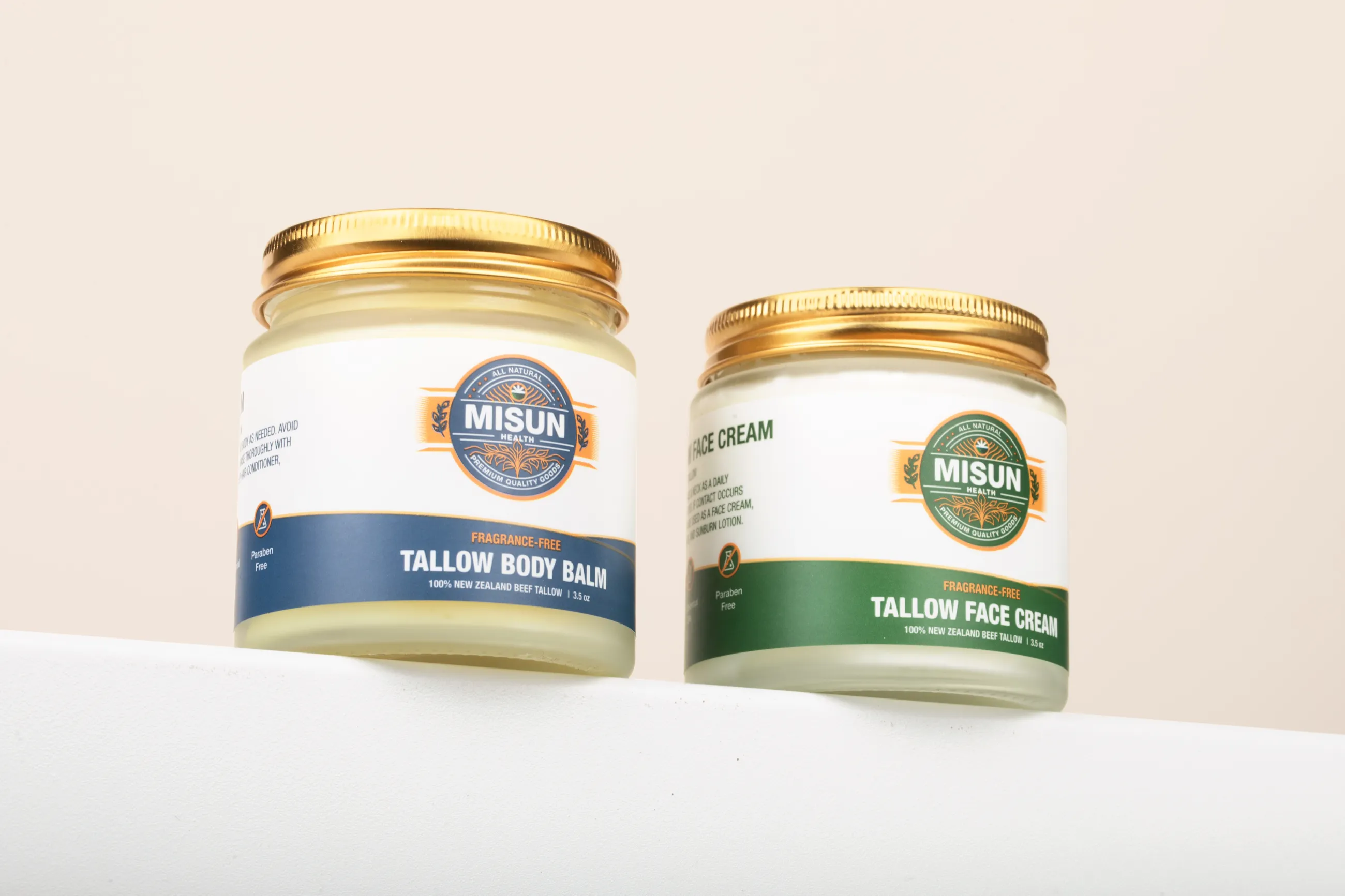 Misun Health
Common Questions
Is beef tallow good for rough knees?
It can be useful when rough knees are mostly dealing with dryness, friction, and skin that does not stay moisturized for long. It usually works better with consistent small daytime layers plus a richer night routine than with one occasional heavy application.
How long does it take to smooth rough elbows?
Comfort may improve within days, but visible texture changes usually take at least 1 to 2 weeks of consistent use, especially on thicker high-friction skin.
Cream or balm for elbows and knees?
Cream is usually easier for daytime upkeep, while balm is often the better choice when elbow points and knee patches stay rough, dull, or high-friction by night.
Build your routine
 Buy on Amazon
 Buy on Amazon
Related guides
More transactional pages
Explore similar transactional concerns or jump to the closest concern hub.
- Fragrance-Free Moisturizer for Retinol-Adjusting Dry Skin
- Beef Tallow for Hands: Dry, Cracked, and Overwashed Hand Care
- Beef Tallow for Cracked Heels, Dry Feet, and Rough Soles
- Beef Tallow for Itchy Winter Skin
Related concern pages
Educational content only. This page is not medical advice and is not intended to diagnose, treat, cure, or prevent disease. If symptoms persist or worsen, consult a licensed clinician.