High-intent allergy-season dryness routine
6 min read
Beef Tallow for Dry Skin Around Nose from Allergies and Tissues
During allergy season, repeated nose wiping can leave skin around the nostrils dry, red, and sting-prone. Thin, frequent layers can improve comfort better than one heavy application.
A practical routine for dry, irritated skin around the nose from allergies, frequent tissue use, and repeated wiping.
Quick summary
- During allergy season, repeated nose wiping can leave skin around the nostrils dry, red, and sting-prone. Thin, frequent layers can improve comfort better than one heavy application.
- Why nose-fold skin dries out fast during allergies: Frequent tissue friction, nose blowing, and repeated cleansing can strip surface lipids around nostrils and upper-lip edges. These zones are thin and can feel irritated quickly.
- Fast day routine for nostril and upper-lip dryness: After gently patting skin dry, apply a rice-grain amount of balm around nostril folds and upper-lip edges. Reapply in very small amounts after repeated tissue use.
Why people choose this approach
- Frequent tissue friction, nose blowing, and repeated cleansing can strip surface lipids around nostrils and upper-lip edges. These zones are thin and can feel irritated quickly.
- After gently patting skin dry, apply a rice-grain amount of balm around nostril folds and upper-lip edges. Reapply in very small amounts after repeated tissue use.
Keep in mind
- Patch test first and increase use gradually based on comfort.
- Skincare supports moisture and comfort but is not a cure for medical conditions.
- If symptoms persist, worsen, or become painful, consult a licensed clinician.
Routine steps
Fast day routine for nostril and upper-lip dryness
After gently patting skin dry, apply a rice-grain amount of balm around nostril folds and upper-lip edges. Reapply in very small amounts after repeated tissue use.
Night reset for allergy-season skin comfort
Before bed, apply a thin whipped cream layer on slightly damp skin around the nose, then spot-apply balm on cracked or persistently rough areas. Keep layers light to avoid a heavy feel.
Why nose-fold skin dries out fast during allergies
Frequent tissue friction, nose blowing, and repeated cleansing can strip surface lipids around nostrils and upper-lip edges. These zones are thin and can feel irritated quickly.
Fast day routine for nostril and upper-lip dryness
After gently patting skin dry, apply a rice-grain amount of balm around nostril folds and upper-lip edges. Reapply in very small amounts after repeated tissue use.
Night reset for allergy-season skin comfort
Before bed, apply a thin whipped cream layer on slightly damp skin around the nose, then spot-apply balm on cracked or persistently rough areas. Keep layers light to avoid a heavy feel.
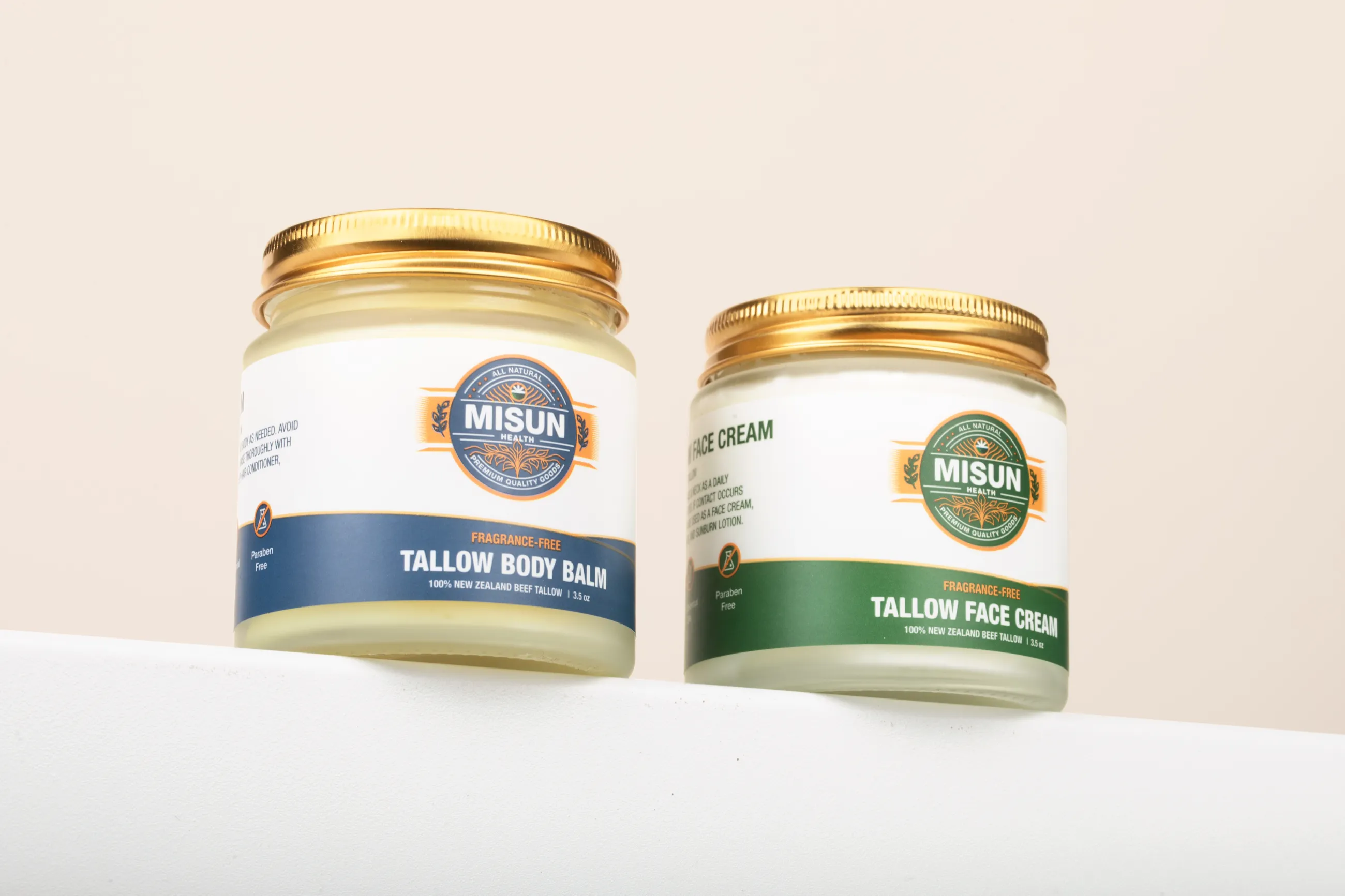 Misun Health
Common Questions
Can this help with tissue-rub dryness around the nose?
It can support moisture comfort for mild friction-related dryness. If pain, cracking, or redness worsens, consult a licensed clinician.
Should I use cream or balm for nose-area dryness?
Most people do well with whipped cream as a base and balm only on nostril folds or spots that stay rough after repeated wiping.
Build your routine
 Buy on Amazon
 Buy on Amazon
Related guides
More transactional pages
Explore similar transactional concerns or jump to the closest concern hub.
- Fragrance-Free Moisturizer for Retinol-Adjusting Dry Skin
- Beef Tallow for Hands: Dry, Cracked, and Overwashed Hand Care
- Beef Tallow for Cracked Heels, Dry Feet, and Rough Soles
- Beef Tallow for Itchy Winter Skin
Related concern pages
Educational content only. This page is not medical advice and is not intended to diagnose, treat, cure, or prevent disease. If symptoms persist or worsen, consult a licensed clinician.