High-intent nighttime dryness routine
6 min read
Beef Tallow for CPAP Strap and Nasal Fold Dryness
CPAP users often deal with dry pressure zones around straps, cheeks, and nasal folds. Thin, targeted layers can improve overnight comfort without heavy residue.
A comfort-focused routine for CPAP strap and nasal-fold dryness using fragrance-free beef tallow support with low-friction nighttime application.
Quick summary
- CPAP users often deal with dry pressure zones around straps, cheeks, and nasal folds. Thin, targeted layers can improve overnight comfort without heavy residue.
- Why CPAP users often notice dry pressure zones: Mask contact, friction, and overnight airflow can leave skin feeling tight around cheek contact points and nasal folds. Repeated nightly wear can make dryness rebound quickly without routine support.
- Night routine before mask-on: After cleansing, apply a very thin layer of whipped tallow cream on slightly damp skin. Spot-apply balm only on high-friction points like strap lines and nasal-fold edges, then allow a few minutes before putting on the mask.
Why people choose this approach
- Mask contact, friction, and overnight airflow can leave skin feeling tight around cheek contact points and nasal folds. Repeated nightly wear can make dryness rebound quickly without routine support.
- After cleansing, apply a very thin layer of whipped tallow cream on slightly damp skin. Spot-apply balm only on high-friction points like strap lines and nasal-fold edges, then allow a few minutes before putting on the mask.
Keep in mind
- Patch test first and increase use gradually based on comfort.
- Skincare supports moisture and comfort but is not a cure for medical conditions.
- If symptoms persist, worsen, or become painful, consult a licensed clinician.
Routine steps
Night routine before mask-on
After cleansing, apply a very thin layer of whipped tallow cream on slightly damp skin. Spot-apply balm only on high-friction points like strap lines and nasal-fold edges, then allow a few minutes before putting on the mask.
How to reduce repeat irritation
Keep layers minimal to avoid slip, clean mask contact areas regularly, and patch test first. If redness, pain, or breakdown persists, discuss mask fit with your sleep clinician.
Why CPAP users often notice dry pressure zones
Mask contact, friction, and overnight airflow can leave skin feeling tight around cheek contact points and nasal folds. Repeated nightly wear can make dryness rebound quickly without routine support.
Night routine before mask-on
After cleansing, apply a very thin layer of whipped tallow cream on slightly damp skin. Spot-apply balm only on high-friction points like strap lines and nasal-fold edges, then allow a few minutes before putting on the mask.
How to reduce repeat irritation
Keep layers minimal to avoid slip, clean mask contact areas regularly, and patch test first. If redness, pain, or breakdown persists, discuss mask fit with your sleep clinician.
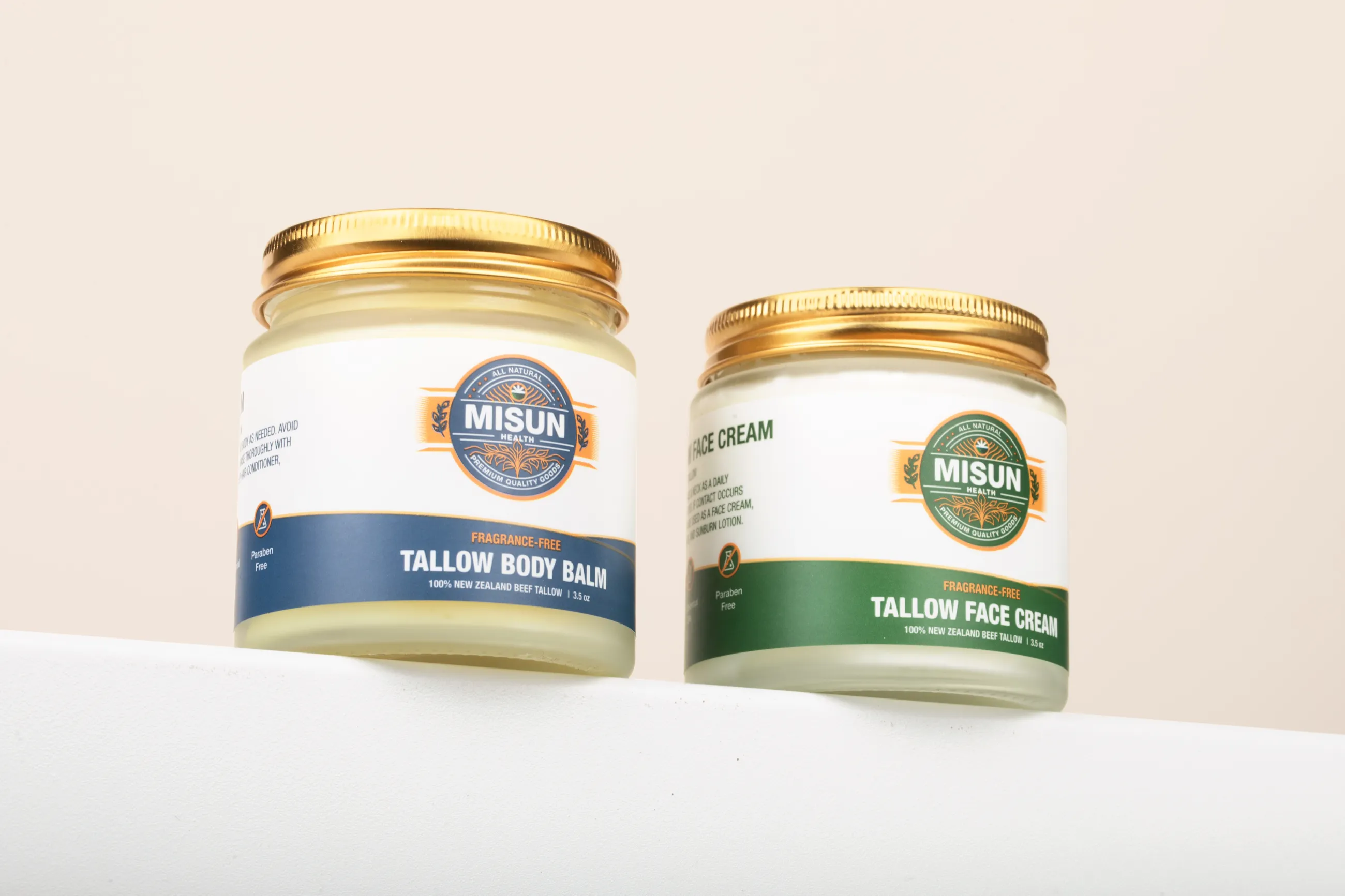 Misun Health
Common Questions
Can I use tallow before wearing a CPAP mask?
Many users apply very thin layers before mask wear for comfort. Use small amounts, allow short absorption time, and monitor whether mask seal remains stable.
Is this medical advice for CPAP skin irritation?
No. This page is educational only and not medical advice. For persistent irritation or pressure sores, consult a licensed clinician or sleep specialist.
Build your routine
 Buy on Amazon
 Buy on Amazon
Related guides
More transactional pages
Explore similar transactional concerns or jump to the closest concern hub.
- Fragrance-Free Moisturizer for Retinol-Adjusting Dry Skin
- Beef Tallow for Hands: Dry, Cracked, and Overwashed Hand Care
- Beef Tallow for Cracked Heels, Dry Feet, and Rough Soles
- Beef Tallow for Itchy Winter Skin
Related concern pages
Educational content only. This page is not medical advice and is not intended to diagnose, treat, cure, or prevent disease. If symptoms persist or worsen, consult a licensed clinician.