Commercial comparison intent
8 min read
Amlactin vs Lubriderm for Dry, Rough Skin
This comparison is really about whether your skin needs active roughness help or simple low-drama moisture. Amlactin usually does more for bumpy texture, while Lubriderm usually wins when you want a basic everyday lotion that feels easy to use and less likely to sting.
Compare Amlactin vs Lubriderm for dry, rough skin with practical guidance on smoothing rough texture, sting risk, everyday wear, and when a basic lotion beats an exfoliating one.
Quick summary
- This comparison is really about whether your skin needs active roughness help or simple low-drama moisture. Amlactin usually does more for bumpy texture, while Lubriderm usually wins when you want a basic everyday lotion that feels easy to use and less likely to sting.
- Quick answer: which one makes more sense?: If the real problem is rough, bumpy, flaky body skin on arms, thighs, calves, knees, or elbows, Amlactin usually has the stronger argument because its lactic acid can help smooth buildup while also moisturizing. If the real problem is plain dryness and you want a simple lotion that spreads fast, layers easily, and does not feel like an active treatment, Lubriderm often makes more sense. Searchers comparing Amlactin vs Lubriderm are usually deciding between texture correction and easy daily maintenance, not looking for two interchangeable lotions.
- Rough texture vs basic hydration: what each product is actually trying to do: Amlactin is not just a moisturizer. It is usually chosen when skin feels rough, sandpapery, or built up, because the lactic acid angle can help loosen that texture over time. Lubriderm usually plays a different role. It is more of a basic body-lotion option for lightweight hydration and fast rub-in, especially when you want something easy after showering or before getting dressed. That difference matters because Amlactin can outperform on roughness while still being the wrong pick for freshly shaved, irritated, or crack-prone skin that simply needs a calmer moisturizer.
Why people choose this approach
- If the real problem is rough, bumpy, flaky body skin on arms, thighs, calves, knees, or elbows, Amlactin usually has the stronger argument because its lactic acid can help smooth buildup while also moisturizing. If the real problem is plain dryness and you want a simple lotion that spreads fast, layers easily, and does not feel like an active treatment, Lubriderm often makes more sense. Searchers comparing Amlactin vs Lubriderm are usually deciding between texture correction and easy daily maintenance, not looking for two interchangeable lotions.
- Amlactin is not just a moisturizer. It is usually chosen when skin feels rough, sandpapery, or built up, because the lactic acid angle can help loosen that texture over time. Lubriderm usually plays a different role. It is more of a basic body-lotion option for lightweight hydration and fast rub-in, especially when you want something easy after showering or before getting dressed. That difference matters because Amlactin can outperform on roughness while still being the wrong pick for freshly shaved, irritated, or crack-prone skin that simply needs a calmer moisturizer.
Keep in mind
- Patch test first and increase use gradually based on comfort.
- Skincare supports moisture and comfort but is not a cure for medical conditions.
- If symptoms persist, worsen, or become painful, consult a licensed clinician.
Quick comparison
| Feature | Whipped Tallow Cream | Beef Tallow Balm |
|---|---|---|
| Best use case | Daily face/body moisture with lighter spread | Targeted dry patches and high-friction zones |
| Typical routine timing | Morning + daytime maintenance | Night routine + targeted application |
| Texture feel | Lighter and easier to spread | Dense and more sealing |
Quick answer: which one makes more sense?
If the real problem is rough, bumpy, flaky body skin on arms, thighs, calves, knees, or elbows, Amlactin usually has the stronger argument because its lactic acid can help smooth buildup while also moisturizing. If the real problem is plain dryness and you want a simple lotion that spreads fast, layers easily, and does not feel like an active treatment, Lubriderm often makes more sense. Searchers comparing Amlactin vs Lubriderm are usually deciding between texture correction and easy daily maintenance, not looking for two interchangeable lotions.
Rough texture vs basic hydration: what each product is actually trying to do
Amlactin is not just a moisturizer. It is usually chosen when skin feels rough, sandpapery, or built up, because the lactic acid angle can help loosen that texture over time. Lubriderm usually plays a different role. It is more of a basic body-lotion option for lightweight hydration and fast rub-in, especially when you want something easy after showering or before getting dressed. That difference matters because Amlactin can outperform on roughness while still being the wrong pick for freshly shaved, irritated, or crack-prone skin that simply needs a calmer moisturizer.
When Amlactin is worth the tradeoff, and when Lubriderm is easier to live with
Amlactin often wins when texture is the thing bothering you most and you can tolerate a more active feel. It can make more sense for upper-arm bumps, rough shins, dry calves, or elbows that still feel gritty after a normal lotion. Lubriderm often wins when your routine falls apart because heavier or sting-prone products feel annoying, or when the skin is dry but not especially rough. If you know you skip products that feel too strong, the easier lotion you actually use daily may beat the more impressive active lotion you keep avoiding.
Sting risk, shaving, and sensitive-skin reality
Amlactin can sting on freshly shaved legs, over-exfoliated areas, cracked skin, and more reactive patches because lactic acid is doing more than basic hydration. Lubriderm is usually the lower-drama option in those moments because it is not trying to exfoliate. That does not automatically make Lubriderm better. It just means the better choice depends on whether your skin can tolerate an active lotion right now. A practical split is Amlactin on rough body zones when skin feels calm, then switching to a simpler lotion on shave days, on irritated patches, or anywhere that starts burning instead of improving.
A fair 10-day test for arms, legs, and rough patches
Keep cleanser, shower temperature, and exfoliating habits stable. Then split-test matched zones such as left arm vs right arm or left shin vs right shin for 10 days. Track four useful signals: roughness reduction, sting level, how comfortable skin feels by midday, and whether you actually want to keep using the product. If Amlactin smooths better but Lubriderm feels easier every day, the right answer may be timing and zone-splitting rather than declaring one universal winner.
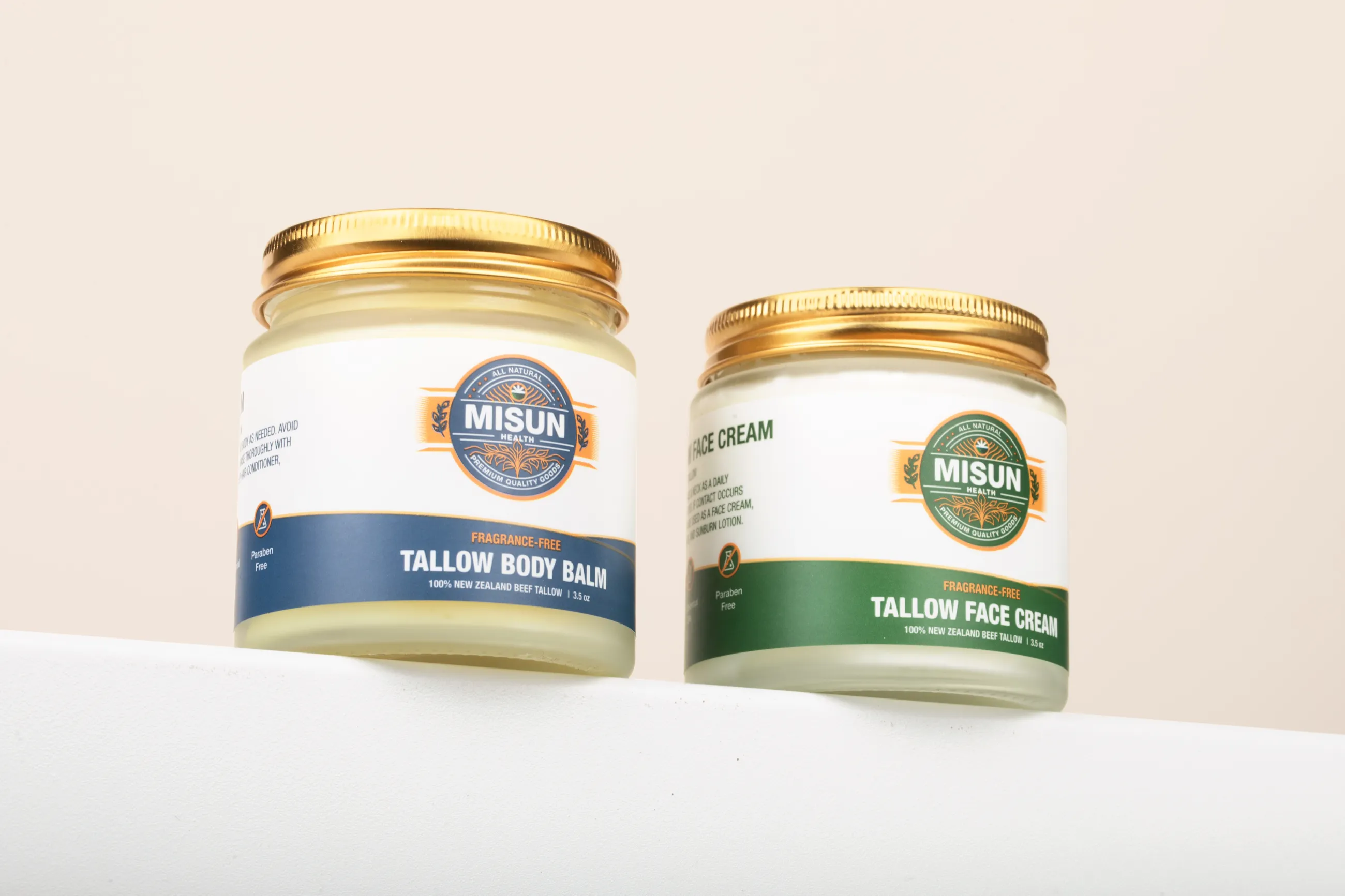 Misun Health
Common Questions
Is Amlactin better than Lubriderm for rough skin?
Usually yes, when rough texture is the main issue. Amlactin often does more for bumpy or sandpapery skin because of the lactic acid angle, while Lubriderm is usually better for straightforward daily hydration.
Is Lubriderm better if my skin stings easily?
Often yes. If your skin is freshly shaved, irritated, cracked, or just reactive, a basic lotion like Lubriderm is usually easier to tolerate than an exfoliating lotion such as Amlactin.
Can I use Amlactin and Lubriderm in the same routine?
Yes. Many people use Amlactin on rougher body zones at night and keep a simpler lotion like Lubriderm for calmer daytime moisture or for areas that do not need an acid-based product.
Which one is better after shaving?
Lubriderm is usually the safer starting point right after shaving because Amlactin can sting on freshly shaved or nicked skin. If you use Amlactin, wait until the area feels calm again.
How long should I test Amlactin vs Lubriderm before deciding?
Give it about 10 days on matched zones while keeping the rest of your routine boring. That is usually enough time to judge roughness, sting, wear feel, and whether you are actually consistent with the product.
Build your routine
 Buy on Amazon
 Buy on Amazon
More commercial pages
Explore similar commercial concerns or jump to the closest concern hub.
- Can You Bring Beef Tallow on a Plane? Carry-On Packing and Travel Dryness Routine
- Can You Put Beef Tallow on Your Lips? Dry Lips, Chapped Lips, and Lip-Line Flaking
- Unscented Moisturizer for Sensitive Skin: How to Choose a Fragrance-Free Routine That Actually Feels Comfortable
- Beef Tallow vs Lotion for Dry Skin
Related concern pages
Educational content only. This page is not medical advice and is not intended to diagnose, treat, cure, or prevent disease. If symptoms persist or worsen, consult a licensed clinician.