Informational + ingredient research · 10 min read
How to Use a Comedogenic Rating Checker Without Overtrusting It
A practical guide to reading comedogenic rating checker results, ingredient scores, and oil charts without treating a 0-to-5 number as a finished-product verdict.
Last updated August 9, 2026
Use a checker as a question generator, not a skin diagnosis
A comedogenic rating checker can be useful when it slows you down and helps you ask better questions about an ingredient. It becomes misleading when it turns a single ingredient name into a universal verdict. A 0-to-5 score cannot know the grade of the material, the concentration in the formula, the vehicle it was tested in, the rest of the product, how much you apply, or whether your own skin tends to clog from rich textures. Treat the result as a prompt to inspect evidence and routine fit, not as a pass-or-fail label.
Check whether the score names an original source
The first thing to look for is provenance. If a checker says mineral oil, soybean oil, cocoa butter, lanolin, or beef tallow has a specific comedogenic rating, it should identify where that number came from. Older comedogenicity work used different models, test sites, grading methods, and materials, so a copied chart without a source is weak evidence. If the tool cannot tell you whether the number came from rabbit-ear testing, a human model, a review, or another chart, the safest interpretation is that the score is directional at best.
What to do when comedogenicity checkers disagree
Conflicting checker results are a sign to narrow the decision, not to average the numbers. Start by comparing whether each tool names the same ingredient, grade, test model, and source. Then check whether one result is really about a raw ingredient while the product in your hand is a diluted finished formula. If two checkers disagree and neither cites a primary source, treat the ingredient as unresolved: avoid full-face use if you clog easily, keep it away from your most acne-prone zones, and run a small repeatable test before deciding the product belongs in your routine.
Separate raw-ingredient risk from finished-product risk
Most shoppers are not applying a neat laboratory sample to one small test site. They are applying a finished moisturizer, balm, oil blend, or cleanser with multiple ingredients. That matters because the same raw material can behave differently at different concentrations and in different formulas. A finished product may include a small amount of an ingredient that once looked comedogenic in one model, or it may use a heavy blend that feels risky even when the chart score looks low. Ingredient scores should never replace the full formula, product texture, use area, and personal history.
Read oil ratings with extra caution
Searches like mineral oil comedogenic rating, soybean oil comedogenic rating, and comedogenic scale for oils often imply that every oil has one stable pore-clogging rank. In practice, broad oil names can hide processing differences, fatty-acid differences, refinement level, impurities, and use context. A light amount in a rinse-off formula does not carry the same practical meaning as a thick leave-on layer under makeup. If a checker gives an oil a number, ask whether that number applies to the exact material, the exact concentration, and the leave-on use you are considering.
How to use a comedogenic scale for oils
A comedogenic scale for oils is easiest to misuse when the chart looks precise. Use the number as a sorting clue, then immediately look for the conditions behind it: whether the oil was tested alone or in a vehicle, whether the source names a human or animal model, whether the material was refined or crude, and whether the score is being repeated from another unsourced chart. For a leave-on face product, a higher oil score should push you toward a smaller test area and fewer routine changes. For dry hands, heels, elbows, or rinse-off use, the same chart number may be less important than residue, irritation, and whether the formula helps the area feel less tight.
How to read a mineral oil comedogenic rating
Mineral oil is a good example of why ingredient lookup tools need context. A chart may label mineral oil as low risk, but that still does not prove every mineral-oil product will be comfortable on every acne-prone face. Check whether the product uses cosmetic-grade mineral oil, how high it appears in the ingredient list, whether the formula is a heavy leave-on ointment or a lighter emulsion, and whether you are applying it to a clog-prone zone. A mineral oil result also says nothing about fragrance, lanolin, waxes, petrolatum blends, or other ingredients that may sit beside it. For dry body areas, mineral oil reputation may matter less than texture tolerance; for breakout-prone facial areas, the full vehicle and your own clogging history matter more than the isolated score.
How to read a soybean oil comedogenic rating
Soybean oil deserves the same caution for a different reason: it can show up in charts as a single ingredient even though plant oils vary by refinement, fatty-acid profile, impurities, blend partners, antioxidant content, and application amount. A soybean oil comedogenic rating should not be treated as a verdict on every moisturizer, balm, or oil blend that contains it. If soybean oil appears near the top of a leave-on face product and you already clog from rich oils, test conservatively. If it appears lower in a formula, or the product is used on lower-acne-risk body skin, the practical risk may be different from the chart shorthand.
Match the result to your skin pattern
A rating is most useful when combined with your own pattern. If you clog easily from heavy balms, full-face oils, or overnight occlusive layers, even a low or uncertain score deserves caution. If your skin is dry, not acne-prone, and mostly reacts to fragrance or stinging actives, a moderate-looking score may matter less than texture, simplicity, and a slow patch test. The better question is not whether an ingredient is universally safe, but whether this product, in this amount, on this area, is a reasonable experiment for your skin history.
Use a smaller, controlled patch test when the answer is uncertain
When a checker result is mixed or poorly sourced, reduce the experiment instead of chasing another chart. Keep the rest of your routine stable, apply a tiny amount to one repeatable area, avoid the zones that clog first, and give yourself enough time to notice new closed comedones or irritation. Do not start several new products at once. If you already have active acne, broken skin, swelling, heat, drainage, or a medical skin condition, skip the home experiment and get individualized guidance instead.
How this applies to Misun tallow products
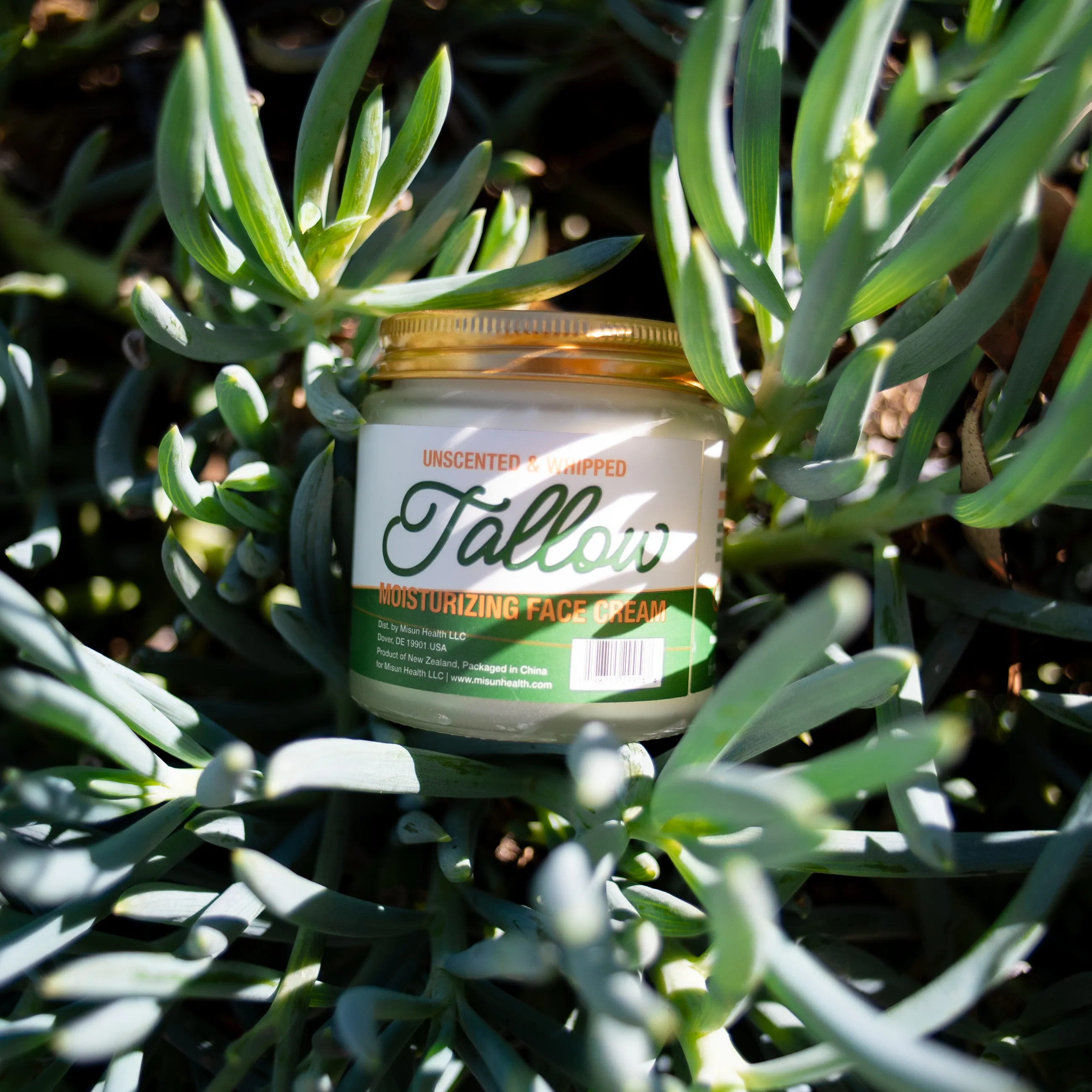
Misun has not published finished-product comedogenicity testing for its tallow cream or balm, so the responsible position is narrow. We do not call either product noncomedogenic and we do not assign beef tallow one universal pore-clogging score. For acne-prone facial use, treat tallow as a cautious, tiny dry-zone test only if rich occlusives have not historically clogged you. For body dryness, hands, feet, elbows, and other lower-acne-risk areas, texture and comfort usually matter more than a facial comedogenic chart.
A better checklist before you buy or apply
Before acting on a comedogenic checker, confirm the source behind the score, whether the result is ingredient-level or product-level, whether the product is leave-on or rinse-off, whether your use area is acne-prone, whether the formula includes fragrance or other irritants you avoid, and whether you can test it without changing everything else. That checklist turns a simple rating search into a more useful buying decision.
FAQ
Common Questions
Is a comedogenic rating checker accurate?
It depends on the source and how the result is used. A checker can organize ingredient research, but a single score cannot predict a finished product or your personal skin response without test context, formula context, and routine context.
Why do comedogenicity checkers give different scores?
Different tools may copy different charts, collapse several ingredient grades into one name, or omit the original test source. When scores conflict, rely on the cited source, formula context, use area, and a conservative patch test instead of averaging the numbers.
What does a 0 comedogenic rating mean?
It usually means an ingredient is presented as low risk in a particular chart or source. It does not prove that every product containing that ingredient is noncomedogenic for every person.
Is mineral oil comedogenic?
A simple yes-or-no answer is too broad. Cosmetic-grade mineral oil may appear low risk in some charts, but grade, concentration, formula weight, leave-on use, and your acne pattern still matter. A sourced rating is only a starting point, not a finished-product verdict.
Is soybean oil comedogenic?
Soybean oil can appear differently across rating charts because processing, refinement, fatty-acid profile, test model, concentration, and finished formula all matter. Use any score as a caution prompt, then evaluate the product and your own skin pattern.
What is the comedogenic scale for oils?
Most oil charts use a 0-to-5 shorthand, where lower numbers are presented as less pore-clogging and higher numbers as more pore-clogging. The scale is not universal unless the chart names the tested material, source, model, concentration, vehicle, and use context.
Can a product be noncomedogenic if one ingredient has a high rating?
Possibly, depending on concentration, formula design, and finished-product testing. Ingredient-level ratings cannot prove or disprove the performance of the finished product by themselves.
Are Misun tallow products noncomedogenic?
Misun does not make a universal noncomedogenic claim for its tallow cream or balm. Acne-prone facial users should patch test cautiously or avoid rich occlusives on breakout-prone zones.
Primary sources
Sources and evidence limits
- Fulton et al., 1984: Comedogenicity and irritancy of commonly used ingredients in skin care products
Shows why source and test model matter when ingredient-level comedogenicity claims are repeated in charts.
- Mills and Kligman, 1982: A human model for assessing comedogenic substances
Supports the distinction between animal-model shorthand and human-use interpretation.
- Draelos and DiNardo, 2006: A re-evaluation of the comedogenicity concept
Supports caution when applying raw ingredient reputation to finished products.
- Xu et al., 2017: Consumer preferences and product characteristics of moisturizers
Notes that noncomedogenic wording is not governed by one universal standard shoppers can rely on without context.
- FDA: Cosmetics labeling claims
Frames why cosmetic claims should stay within supported cosmetic-use boundaries.
Use the tools
Related skincare tools
- Comedogenic Ratings Evidence GuideRead the primary-source guide behind Misun's conservative approach to pore-clogging ingredient charts.Open tool
- Moisturizer Ingredient DecoderPaste a moisturizer ingredient list to classify occlusives, emollients, humectants, and supporting ingredients without assigning a safety score.Open tool
Keep reading
Related guides
Shop the routine
Build your tallow routine
Shop the products that best match the concerns and routines covered in this guide.