Product care + commercial · 10 min read
How to Store Beef Tallow Skincare: Heat and Shelf Life
Learn how to store beef tallow skincare, what soft or changed texture can and cannot tell you, and when to check the package or manufacturer.
Last updated August 6, 2026
Quick answer: there is no universal shelf-life number
Beef tallow skincare does not have one category-wide expiration date that applies to every jar. Usable life can vary with the full formula, manufacturing process, packaging, storage, and the way the container is handled after opening. The U.S. Food and Drug Administration says cosmetic manufacturers are responsible for product safety and shelf life, while federal law generally does not require cosmetics to carry expiration dates. Start with the current package and the manufacturer's directions. If neither gives a time limit, do not borrow a 9-month, 12-month, or 24-month answer from another brand and treat it as a fact about your jar.
Read the package before relying on a general guide
Keep the box or photograph the label when you open a new cosmetic. Look for storage instructions, a date, a period-after-opening symbol, a lot code, and contact details if they are present. Each item means something different. A lot code can help a manufacturer identify a batch, but it is not automatically a consumer expiration date. A date you write on the jar is useful for your own records, but it does not replace the maker's tested shelf life. Check the current Amazon listing and the package you actually received because online images, formulas, and directions can change over time.
What soft or melted texture can tell you
Warm conditions can change the consistency of a fat-rich cosmetic, so a whipped product may feel softer and a dense balm may spread differently after heat exposure. Texture change is not a laboratory safety test. Softening alone does not prove that a jar is contaminated or spoiled, and a jar that still looks normal is not automatically proven safe. Keep a warm container closed and upright, move it away from direct heat, and follow any directions on the current package. Do not use an edible-tallow melting temperature to create a cosmetic safety rule because the full formula, processing, package, and storage history may differ.
If a jar arrives warm, soft, or partly liquid
Before opening it, inspect the shipping box and container for leaks, cracks, a loose lid, a broken seal, or material where it should not be. Keep the product closed while you check the label and contact the manufacturer or retailer if the package is damaged or the directions do not address the condition. A photo of the closed package, lot code, and shipping condition can make that conversation more useful. Avoid stirring, rewhipping, adding ingredients, or repeatedly heating and cooling the product while you wait for an answer. Those steps can change the jar and make it harder to judge what originally arrived.
Keep fingers, tools, and the jar dry
The FDA notes that cosmetics can become contaminated during use, including when people dip fingers into a product, and advises against adding water or saliva. Wash and dry your hands before opening a jar. If you use a scoop, keep it clean and dry, and do not leave it on a damp sink. Take only what you need, close the lid promptly, and wipe product from the threads with a clean, dry material if it prevents the lid from closing. Never thin a tallow cosmetic with water. Good jar hygiene does not create a guaranteed expiration date, but it removes avoidable sources of contamination.
Choose a stable storage spot
FDA consumer guidance recommends keeping cosmetic containers clean, tightly closed, and protected from temperature extremes. A closed cabinet or drawer away from direct sun, a heater, a stove, and other heat sources is usually a more stable choice than a windowsill or the inside of a parked car. Keep the jar away from splashing water and do not store it where the lid stays wet. A bathroom is not automatically unsuitable, but a steamy shower ledge or damp sink edge adds heat and moisture that are easy to avoid. Use the product's own storage directions when they are more specific.
Refrigeration is not a universal fix
Do not assume every tallow cosmetic belongs in a refrigerator. Cold storage can change firmness and may make a product harder to use, while repeated temperature changes can alter texture again. More important, refrigeration cannot reverse contamination or prove that a heat-exposed jar is safe. Refrigerate only when the current package or manufacturer tells you to do so. If you want a firmer texture after normal warmth and there is no direction on the label, ask the manufacturer before changing how the jar is stored. The right answer depends on the finished product, not the word tallow alone.
Graininess, separation, and texture shifts need context
A cosmetic can become firmer, softer, grainy, uneven, or separated for more than one reason. Appearance alone cannot identify the cause, the microbial condition, or the remaining shelf life. Compare the jar with its condition when opened, check whether it was exposed to heat or water, and read the current directions. Do not rewhip or stir the contents unless the manufacturer provides that instruction for the specific product. If the change is unexpected, substantial, or paired with package damage, odor, color change, or foreign material, stop using the jar while you ask the manufacturer or retailer what to do.
When to stop using the product
FDA guidance tells consumers to throw away cosmetics when color or smell changes and to watch for foreign material or other signs of a problem. Stop using a jar if you see an unexpected color change, notice a distinctly different odor, find foreign material, or have an unexpected reaction. A damaged container or broken seal also deserves a manufacturer or retailer check before further use. Do not taste a cosmetic to judge freshness, and do not rely on smell or appearance as proof that a jar is safe. If a reaction is serious or does not settle after stopping the product, seek medical advice and consider reporting the problem through the FDA's cosmetic reporting channel.
Cream and balm names do not set shelf life
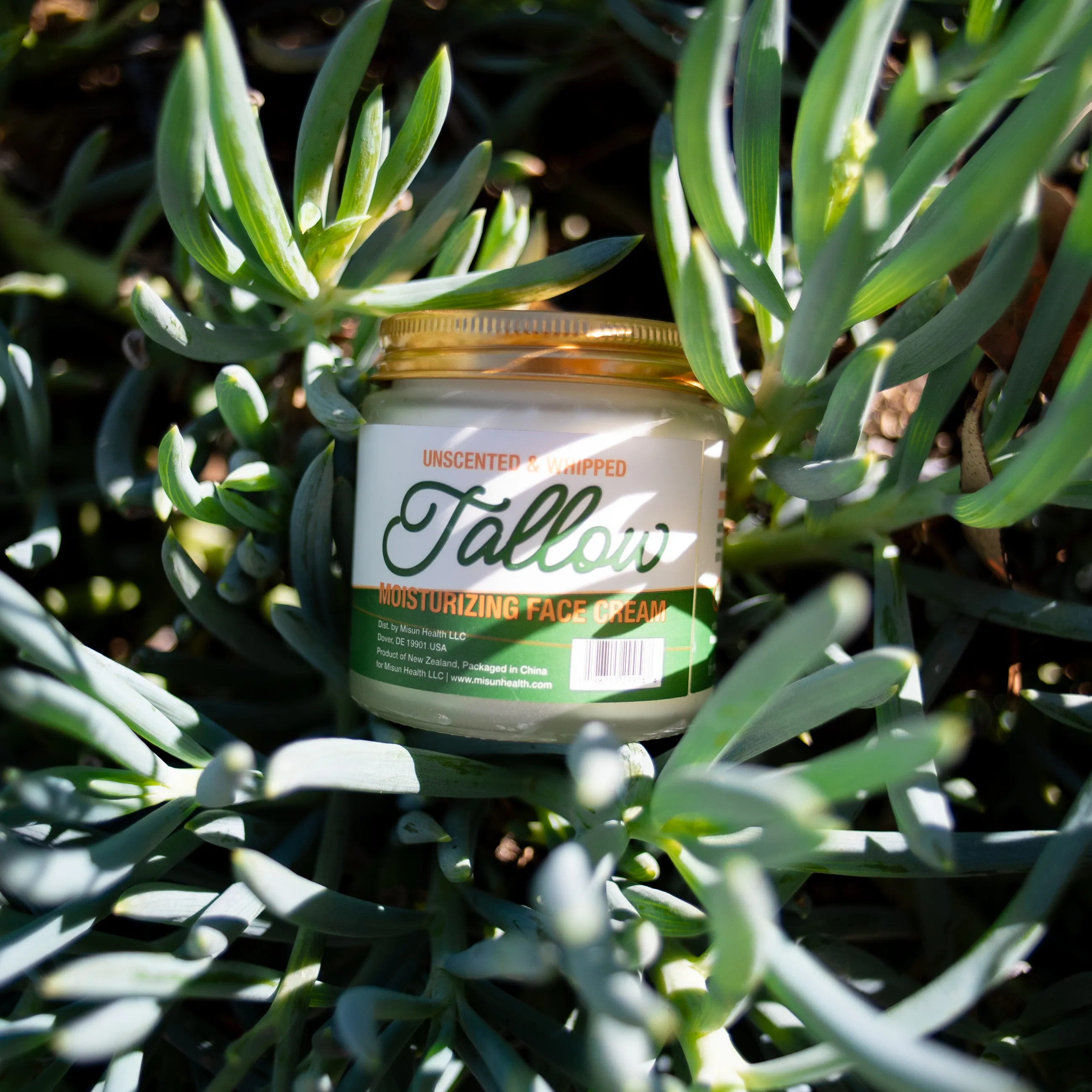
Whipped cream and balm describe texture and use more than they describe a complete stability program. A whipped product may spread more easily, while a balm may feel denser, but neither name tells you the full ingredient statement, manufacturing controls, packaging compatibility, or tested shelf life. Compare the current label and product details for Misun Health Whipped Tallow Cream and Beef Tallow Balm before purchase. Choose by the texture and body area you want to use, then follow the directions for the exact jar you receive. Do not assume that one format automatically lasts longer or resists contamination better.
Travel and hot-weather handling
Heat exposure is easier to prevent than to interpret afterward. Keep the lid tight, pack the jar upright, and do not leave it in a hot vehicle or direct sun. The original container preserves the label, lot details, and closure that came with the product. If you transfer a small amount for travel, use a clean, dry container and avoid topping it up with new product before the old portion is gone. After travel, note any leak, seal damage, water exposure, odor change, or foreign material. A temporary texture change still does not supply a safety verdict, so use the package and manufacturer as the deciding sources.
A simple jar-care record
Write down the date you opened the jar, keep the lot code, and note unusual heat or water exposure. Store it closed in a stable place, use clean dry hands or a clean dry tool, and check the package before following advice from another brand. If the texture changes, record what happened instead of trying to restore it immediately. If color or smell changes, foreign material appears, the seal is damaged, or your skin reacts unexpectedly, stop and ask for product-specific guidance. This short record will not certify safety, but it gives you and the manufacturer better facts than a guess based only on the calendar.
What would support a product-specific answer
A precise Misun shelf-life or heat-recovery instruction would need product-specific evidence such as the finished formula, package compatibility, stability testing, microbial controls where relevant, batch records, and manufacturer-approved storage directions. Those records are different from general facts about rendered beef fat or another brand's jar. Until a current package or manufacturer record supports a precise number or procedure, the responsible answer is narrower: keep the container clean, closed, dry, and away from excessive heat; track when it was opened; watch for concerning changes; and ask about conditions the label does not cover.
FAQ
Common Questions
How long does beef tallow skincare last after opening?
There is no reliable category-wide number. Use the time limit on the current package or from the manufacturer. If none is provided, mark the opening date and ask the manufacturer rather than applying another brand's estimate to your jar.
Does melted beef tallow skincare mean it has gone bad?
Not necessarily, but melting does not prove the product is safe either. Keep the container closed, check for package damage or other changes, and follow the current package or manufacturer's guidance before continuing use.
Does tallow balm need to be refrigerated?
Not as a universal rule. Refrigerate only if the current package or manufacturer gives that direction. Cold storage and repeated temperature changes can alter texture, and refrigeration cannot reverse contamination.
Can I rewhip tallow cream after it melts?
Do not rewhip, stir, or add ingredients unless the manufacturer provides instructions for that exact product. Changing the jar yourself can introduce contamination and makes the original condition harder to assess.
Is grainy tallow skincare unsafe?
Graininess alone cannot prove that a product is unsafe or safe. Check its storage history, package condition, odor, color, and current directions, then contact the manufacturer if the change is unexpected.
How can I tell if a tallow cosmetic should be discarded?
Stop using it for an unexpected color or odor change, foreign material, a damaged seal, or an unexpected reaction. Appearance and smell are warning signs, not a complete safety test, so contact the manufacturer or retailer when you are unsure.
Can I add water to make tallow cream easier to spread?
No. FDA guidance says not to add water or saliva to cosmetics because doing so can introduce microorganisms and dilute the product's protective system. Warm only the amount you plan to use between clean, dry hands if the package permits normal hand application.
Should I write the opening date on the jar?
Yes, as a personal record. It helps you remember how long the jar has been in use, but it is not a manufacturer-tested expiration date and should not override package directions.
Primary sources
Sources and evidence limits
- FDA: Shelf Life and Expiration Dating of Cosmetics
Explains why cosmetic shelf life varies, how storage and use affect products, and why U.S. cosmetics do not have one universal expiration-label rule.
- FDA: Using Cosmetics Safely
Supports keeping containers clean and tightly closed, protecting cosmetics from temperature extremes, marking the opening date, and stopping use after concerning color or smell changes.
- FDA: Microbiological Safety and Cosmetics
Explains contamination routes during storage and use, including fingers, added water, and warm or damp conditions, without providing a product-specific safety verdict.
Keep reading
Related guides
Shop the routine
Build your tallow routine
Shop the products that best match the concerns and routines covered in this guide.