Informational + commercial · 7 min read
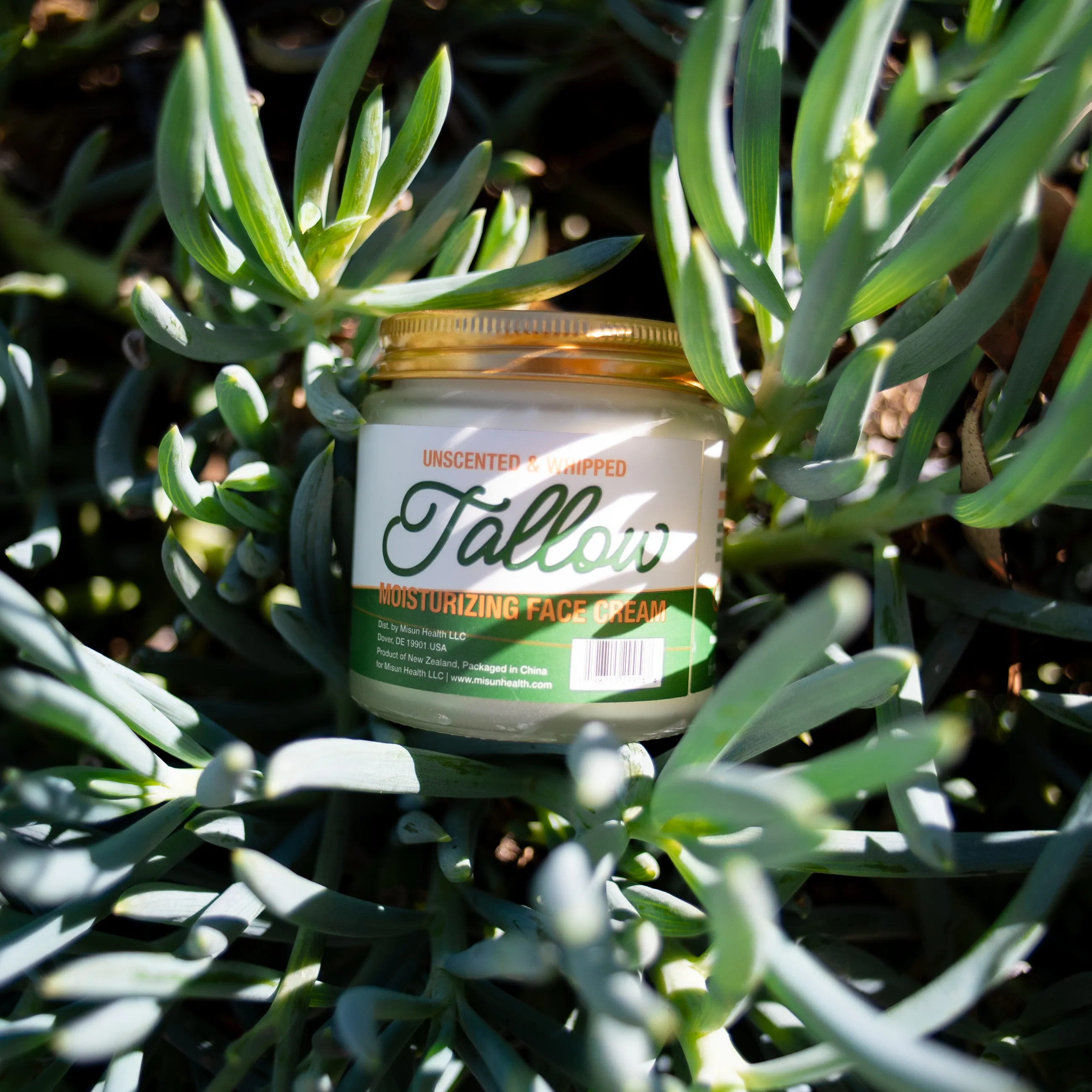
Beef Tallow for Rosacea-Prone Skin: How to Test It Safely
A cautious, step-by-step framework for trying beef tallow moisturizer on rosacea-prone skin while minimizing flare risk.
Last updated February 23, 2026
Why this topic is confusing
Search results show mixed opinions: some users report calmer skin, while dermatology sources warn that heavy occlusives can worsen flushing for some people. Rosacea is highly individual, so a structured test is safer than a full-routine swap.
A low-risk 14-day testing plan
Patch test first on a small jawline area for 3 days. If tolerated, apply a rice-grain amount at night over damp skin on one cheek only for 4 to 5 days. Expand slowly only if redness, stinging, and heat do not increase.
When to stop and what to use instead
Stop immediately if persistent warmth, stinging, or bumps increase. If tallow feels too occlusive, switch to a lighter fragrance-free barrier cream and keep cleansing and active ingredients minimal during recovery.
FAQ
Common Questions
Can beef tallow cure rosacea?
No. Rosacea is a chronic condition that usually needs trigger management and, for many people, medical guidance. Tallow may be a moisturizer option for some, but it is not a cure.
Should I use tallow during an active flare?
Generally avoid introducing new products during a flare. Wait until skin is calmer, then patch test cautiously.
Keep reading
Related guides
Shop the routine
Build your tallow routine
Shop the products that best match the concerns and routines covered in this guide.